In case of an emergency alarm in a large industrial plant, warehouse, or high-rise office, the business-as-usual process is interrupted in a matter of seconds and shifted into a state of emergency. To the Safety Officers and HR Managers, headcount is the most stressful aspect of an evacuation. Are all 400 employees out? Is there somebody in the machine shop on the third floor still?
Historically, this has been done using paper clipboards and manuality based shout-outs in a specified assembly zone- a sluggish process, subject to human error, and hazardous.
This guide will discuss the emerging use of RFID (Radio Frequency Identification) technology to overcome a very serious issue, which is the emergency mustering, besides its uses as an asset tracking method.
Q1. What Is “Emergency Mustering” And Why Is The Manual Process Failing?
Emergency mustering involves the process of gathering information about all the personnel (employees, contractors, and visitors) following an evacuation. Ideally, all the people would walk out of the building and queue at a checkout point.
But manual mustering does not work as it:
It is Time-consuming:
Running a verification process manually may require 20-30 minutes in a large facility. Every second counts in a fire or chemical breakout.
False Data:
Paper lists are also frequently updated. They fail to consider who can be working at home, the one on vacation, or the visitors who entered through another window.
Chaos and Stress:
In an actual emergency, individuals are hysterical. A floor warden is not supposed to be calm enough to go through a list of names and check them off in the rain or wind.
Skilled and timely headcount is a very crucial element of the Emergency Action Plan, as indicated by OSHA (Occupational Safety and Health Administration). RFID eliminates the human error factor in this equation.
Q2. How Does An RFID-Enabled Mustering System Work?
Quasi-living RFID mustering system makes your employee ID badge a safety beacon. RFID is automatic and wireless, which is unlike barcodes, where a manual scan must be done.
The Badge:
Each of the employees carries a badge, which is a typical-looking ID badge that holds a standard RFID chip, which can be passive or active.
Strategic Portals:
RFID readers will be found by all emergency exits and at the MusteringPoints (Assembly Areas).
Automatic Detection:
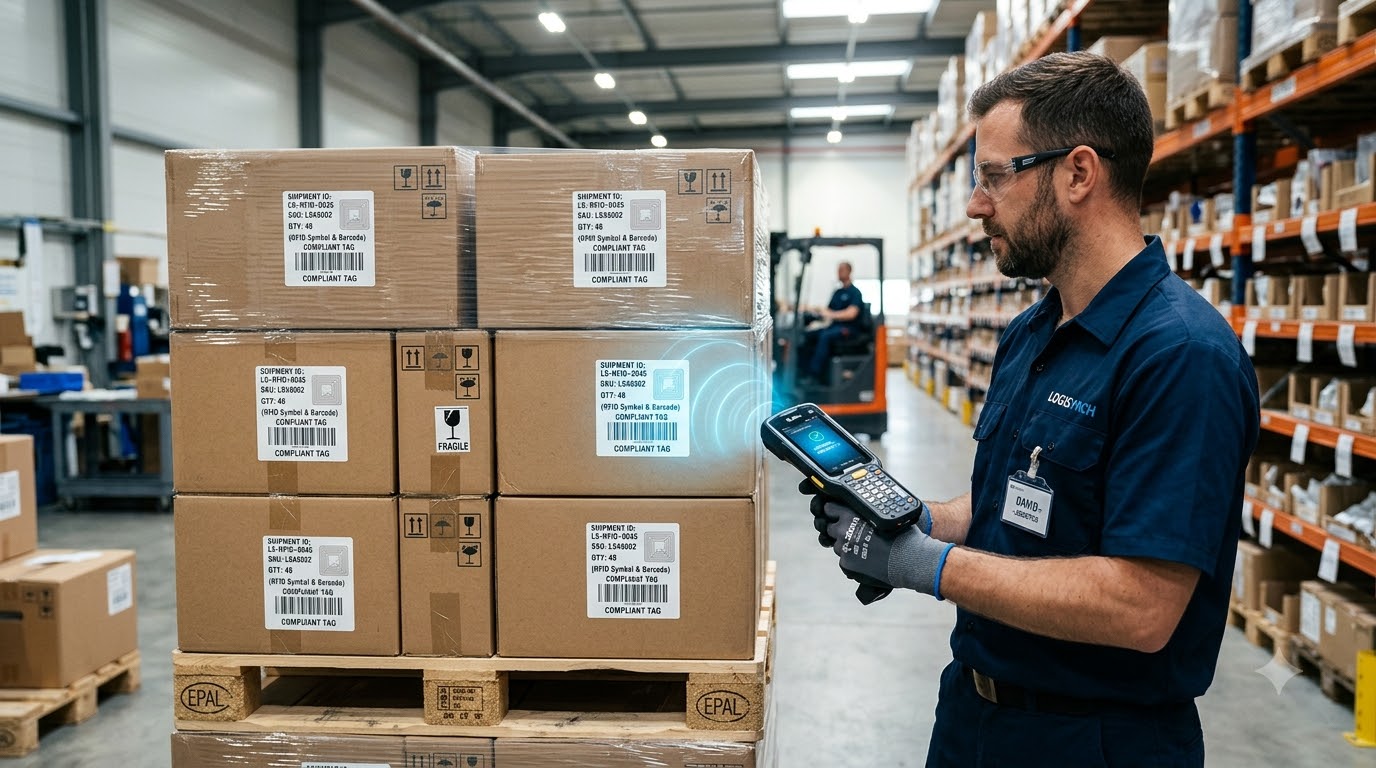
The readers ping the badges of employees when they pass through the exit or when they arrive at the point of assembly. The system automatically records them as being safe in the database.
The Live Dashboard:
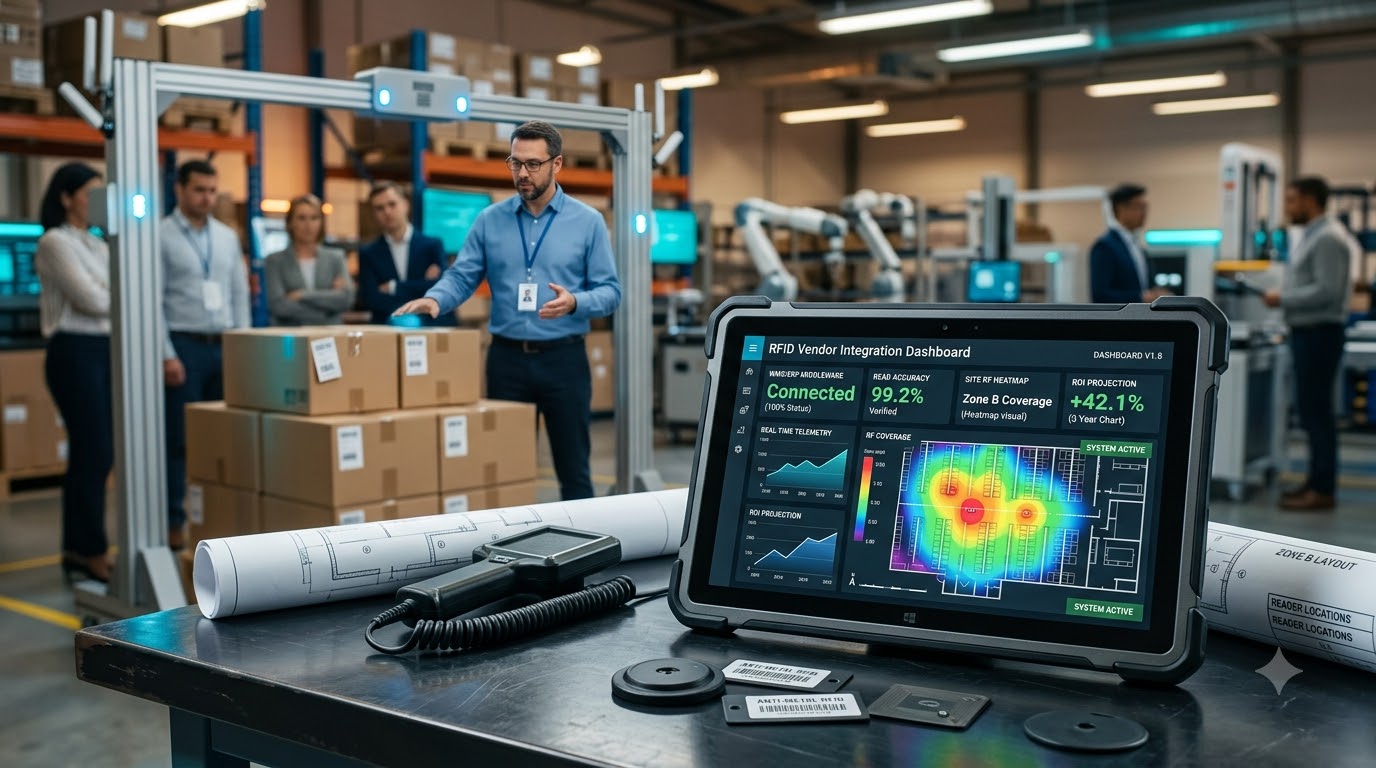
A safety officer is standing in the assembly point holding a tablet. There are two lists present on the screen: Safe and Missing. Names that are missing are transferred to the safe list in real-time as people arrive.
Q3. Can RFID Track Where An Employee Is Inside The Building During A Fire?
Yes. Through a Real-Time Location System (RTLS), effectively, an electronic breadcrumb trail can be visible to emergency responders by using active RFID or Bluetooth Low Energy (BLE).
In case the system reports that John Doe has not reached the mustering point, the safety officer can look at the dashboard and realize that the last badge John was registered was around Sector B, Stockroom 4.
This will enable the first responders to conduct their search-and-rescue operation with the precision of scalpels, instead of firing rifles at thousands of square feet of potential disaster victims.
Q4. What Are The Primary Benefits Of Rfid Over Traditional Headcounts?
The manual to digital transformation of mustering has three game changers:
Speed of Information:
You are at 100 per cent. Accounted Within Minutes. This enables the safety leaders to inform the first responders that everyone is out or that we have lost three people within minutes.
Visitor and Contractor Safety:
Visitors are not familiar with the evacuation routes. Visitor badges that operate under RFID are taken care of as required, along with the full-time employees.
Historical Audit Trails:
All drills are logged out. You can analyze the exits that are being overconsumed and some of the departments that are sluggish at evacuating, and hence optimize your safety training according to the hard data.
Q5. Is RFID Mustering Difficult To Implement With Existing Security Systems?
No, in most instances, no. Modern RFID is vendor-agnostic. This implies that the RFID technology can often be incorporated into the same badges that are employed in order to gain access to the doors (badges) and time-clocking (HID cards). This has guaranteed good compliance- when employees require a badge to get into the building, they will be carrying them in case they are required to move out.
Employee safety is the one area where “good enough” is never sufficient. Relying on paper lists and shouting names in a parking lot is a relic of the past that puts lives at risk. By leveraging RFID for instant employee mustering, organizations can transform a chaotic, 20-minute headcount into a precise, 2-minute digital confirmation.
Frequently Asked Question(FAQs)
Does RFID mustering invade employee privacy?
No. Mustering systems are normally event-driven. With a typical work environment, the system does not require following an employee around wherever they go. It merely records when a badge swipe is made through a “zonal reader (such as an entrance or exit). In the case of a crisis, all attention is limited to life-safety- those who have already moved to the safe area.
What happens if the power or Wi-Fi goes out during an emergency?
RFID readers used in mustering industrial applications tend to have Power over Ethernet (PoE) and battery backup or hard disk storage. Numerous handheld readers deployed at assembly points are based on cellular (5G/4G) networks or on the local radio and guarantee the “Safe” list to be updated even when the main infrastructure of the building is destroyed.
Is the technology expensive for smaller facilities?
In these past years, the cost has greatly reduced. Although high-end RTLS (Real-Time Location) may cost to install, Chokepoint Mustering, a simple tracking of when someone crosses an exit or an arrival at a muster point, is a low-cost product that offers 90% of the safety advantages of more complicated systems.
How does RFID handle “tailgating” (multiple people walking through a door at once)?
Most RFID readers have the capacity to scan badges 200 or 300 times at a time, when compared with a turnstile, which only scans one person at a time. It can be explained by the fact that a crowd of 50 people who are rushing through a large bay door will be automatically counted without the need to slow the crowd or move in order to be scanned one by one.