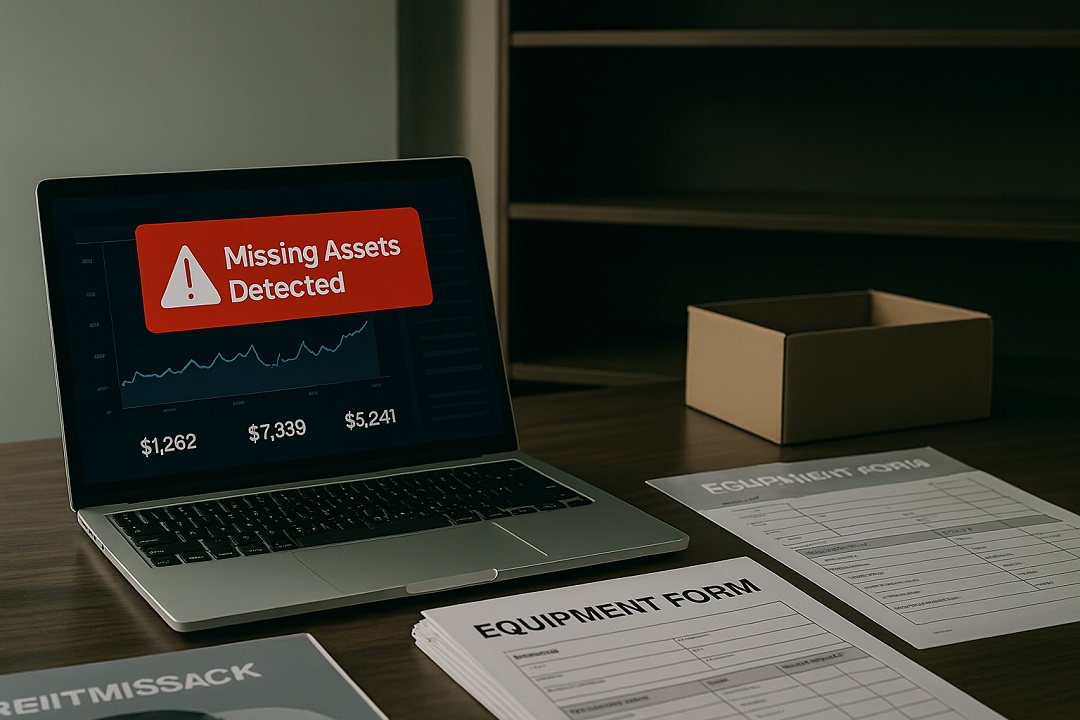
Loss is always a factor and an expensive burden in the retail and manufacturing fields. It is what is termed in the retail world as Shrinkage- the frightening difference between inventory figures and that which actually exists on shelves, brought about by theft, clerical mistakes, and supplier fraud.

In production, it is the frustrating and costly search for the very important tools, jigs, and portable equipment that appear to disappear into thin air.
The barcode has been the major defense line over a period of decades. There is, however, a weakness to barcodes: they need a direct line of sight, and a one-at-a-time manual scanning. They are not aware of the location of an item, but they know what it used to be last time that the person physically touched it and scanned it.
Loss Prevention in Retail Using RFID
Although the mere thought of RFID may be a cause of fear to many with its blatant violation of privacy, the current RFID technology, especially Active RFID, is a game-changer, providing unparalleled visibility and control of the inventory and assets.
How Does It Work?
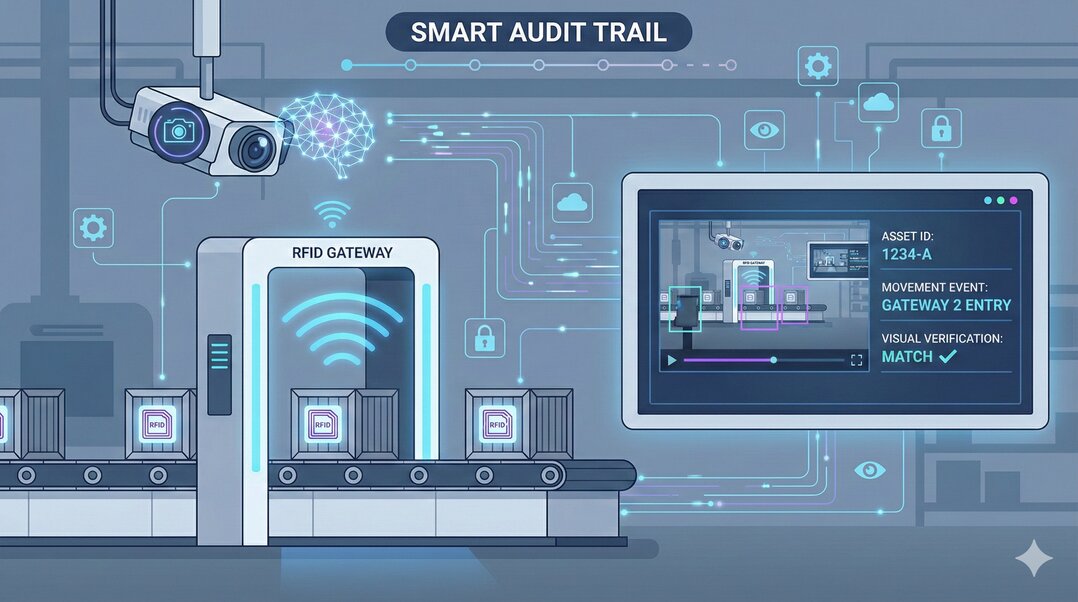
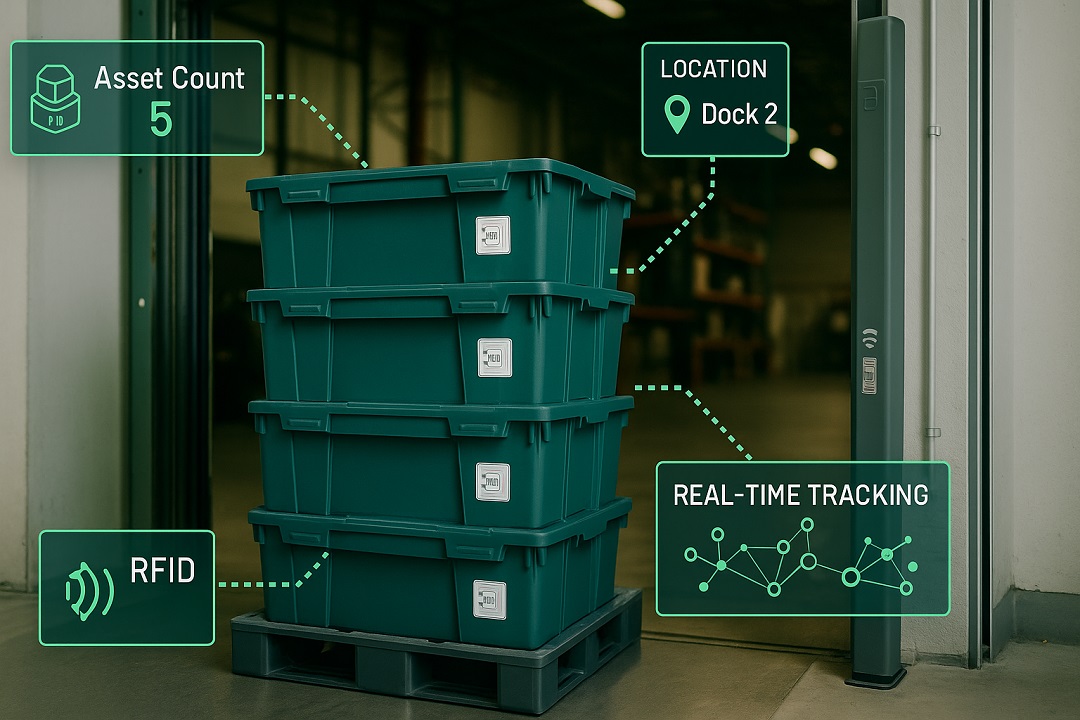
All items have passive RFID tags (battery-free, tiny tags) affixed to them. These tags are coded with an Electronic Product Code (EPC), which is unique. These tags can be strategically located at strategic locations such as docks, store entrances, back rooms, and point-of-sale (POS) systems, which can automatically read without having to see them.
Key Applications and Benefits
Accurate Inventory Management
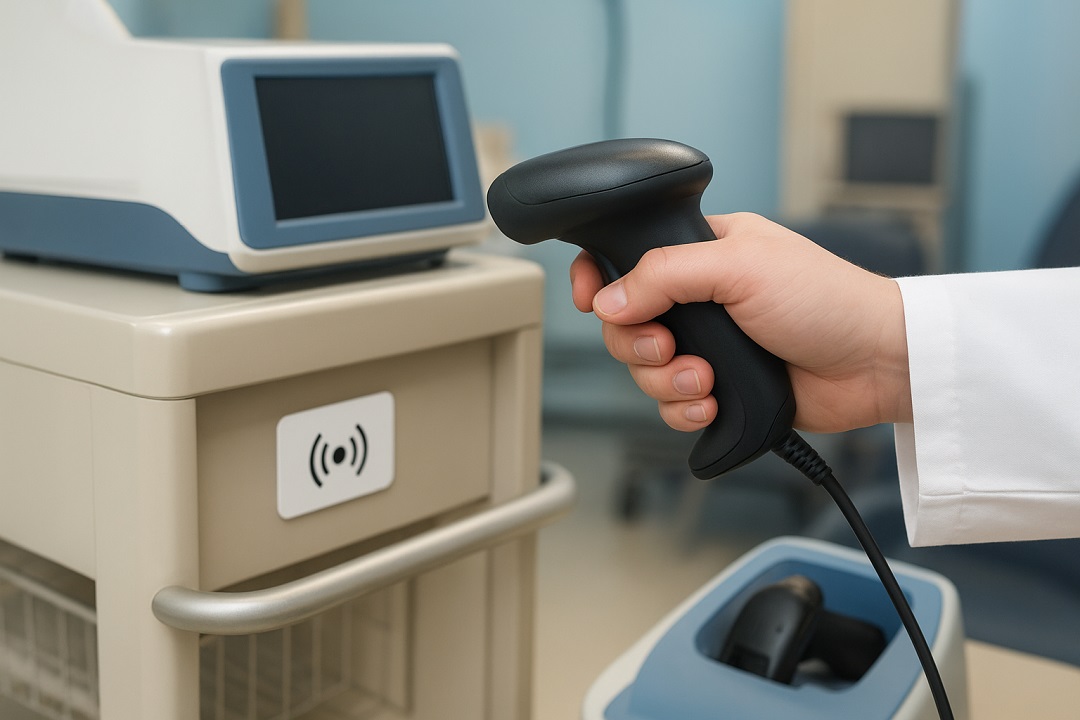
A typical inventory count may take days and is only 60-70% accurate. Using a handheld RFID reader, the staff is able to fully count the items in a store in a few hours, and the accuracy is more than 98. This high visibility can be seen only in this way to identify and locate hotspots of shrinkage quickly.
Real-Time Alert System
Readers at entrances will have the ability to distinguish between purchased and purchased goods. In case a reader scans an unbought product containing an active tag, it can alert the employees immediately, and a reaction can be taken. This is much more advanced compared to the plain EAS tags, which merely set off an alarm.

Eliminating Internal Theft
RFID tracks the store’s movement. Abnormal operation, such as a large number of items moving to a prohibited region or exiting through a back door, can be noted to be investigated.
How to Reduce Administrative Errors?
RFID has guaranteed that what is delivered as a shipment is what is ordered, and that when it is transferred from the backroom to the sales floor, the items have been properly recorded.
The Following Tips Will Help During Implementation
- You do not have to tag all pencils at the same time. Start with tagging high-theft items such as apparel, electronics, cosmetic items, or power tools in order to realize a quick ROI.
- Make sure that your RFID talks to your point-of-sale. When the item sells, the system needs to automatically turn off the anti-theft feature of the tag and update the inventory records in real time.
- Employees might have the fear that RFID is there to spy on them. Position it as something to ease their workload, improve the counting of stocks, eliminate irritating out-of-stocks, and provide a safer workplace.

The Process of Asset Tracking
Retail may implement passive RFID, but manufacturing, healthcare, and construction confront another problem: the location of high-value, movable assets. Active RFID comes in here.
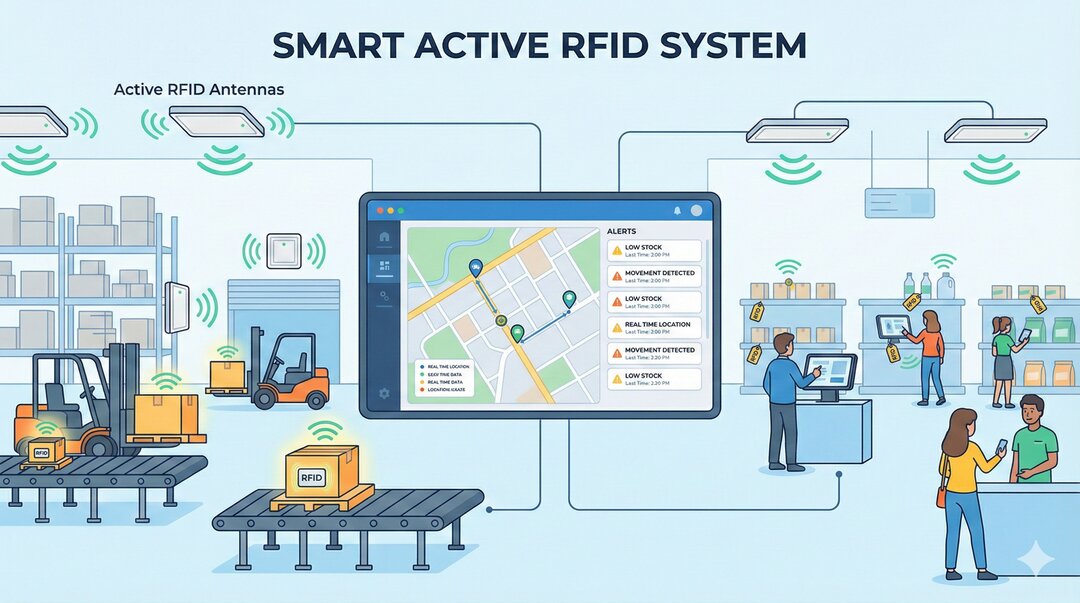
The active RFID tags also have a source of power (a battery), to enable them to provide a signal with continuous transmission in much longer ranges–as far as hundreds of meters. This converts them to real-time location system (RTLS) beacons.
Applications and Benefits
Location Tracking
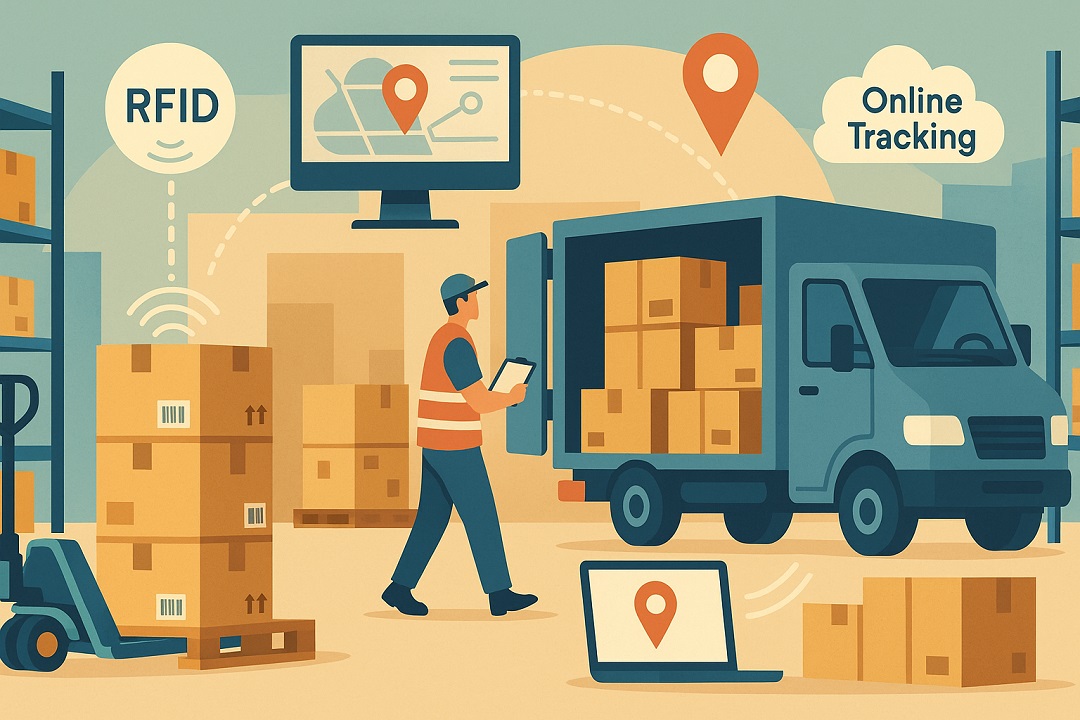
Get rid of the hours spent looking to find portable machinery, special tooling, test equipment, or hospital crash carts. An active RFID system can give you the precise position of all tagged assets on a computerized map of your facility.
Monitoring
Does the hospital have excess or underutilize its monitors? Following the tracking of assets, it is possible to determine which tools are actively used and which are not being used to spend their capital better and redistribute resources.
Better Security
Geofencing will help you establish virtual borders. Should the high-value asset leave a specified “safe zone” (e.g., leaving the gate of a warehouse), the system can relay an instant alert to the security.
Improved Maintenance
Keep track of the number of hours that equipment is actually in use so that a calendar-based maintenance schedule can be replaced with a precise, usage-based maintenance schedule to avoid expensive downtime and prolonged equipment life.
Helpful Tricks
- Be sure that the tags you use are designed to withstand the conditions of your facility, industrial-grade, waterproof, dustproof, and can withstand impacts.
- RFID readers are essential in their location to provide coverage. Perform site survey of the blind areas at major choke points, exits, and high traffic working areas.
Movement The change towards RFID, as opposed to barcodes, and active as opposed to passive systems, is a paradigm shift in philosophy. Businesses are no longer following a reactive model, in which you find out that something has gone wrong after it has occurred, but are being proactive and having the real-time information to avoid the occurrence of the problem in the first place.
FAQ
What makes passive and active RFID different?
Passive RFID involves a scanner to energize the tag and is suitable for tracking inventory items within a short radius. An active RFID is a battery-operated tag that emits a signal and is applied in real-time monitoring of high-value equipment over extensive areas.
Should we prefer RFID over barcodes?
Yes. RFID does not require line of sight, hence you can scan a complete pallet or room immediately. This offers extremely quicker and more precise inventory counts than manual barcode scanning, which saves a tremendous amount of errors and man-hours.
How impactful is RFID in preventing theft?
Absolutely. Items not paid are picked by readers at exits, thus producing instant alerts. This prevents the theft of goods and provides real-time information on the hot spots of shrinkage. Proactive security measures can be implemented to prevent this further loss of inventory by a great margin.
What can we track using RFID trackers?
Put priority on assets that are of high value, which are important in running the business and are often lost or mobile. This involves specialized equipment, handheld equipment, and medical equipment, where the precise location will save time and financial resources.
Is it difficult to implement an RFID system?
Begin with a pilot of high-risk items or critical assets. This reduces the initial cost and complexity. The modern POS and asset management software easily integrates with it and gives a seamless transition.