Years went by with worldwide shipping stuck in a straight line: grab materials, build products, then toss everything. Items get made, moved in throwaway wraps, and when people receive them, the crate, slab, or bin gets dumped. That one-shot delivery method? Far beyond harming nature, it now hits wallets hard in 2026.
When supplies shrink and fresh rules such as the EU’s packaging waste law kick in, top firms shift toward circular systems. Their aim? Extend material life as much as feasible. Yet tracking vast numbers of returnable containers worldwide becomes chaotic – provided there’s no real-time visibility at key points.
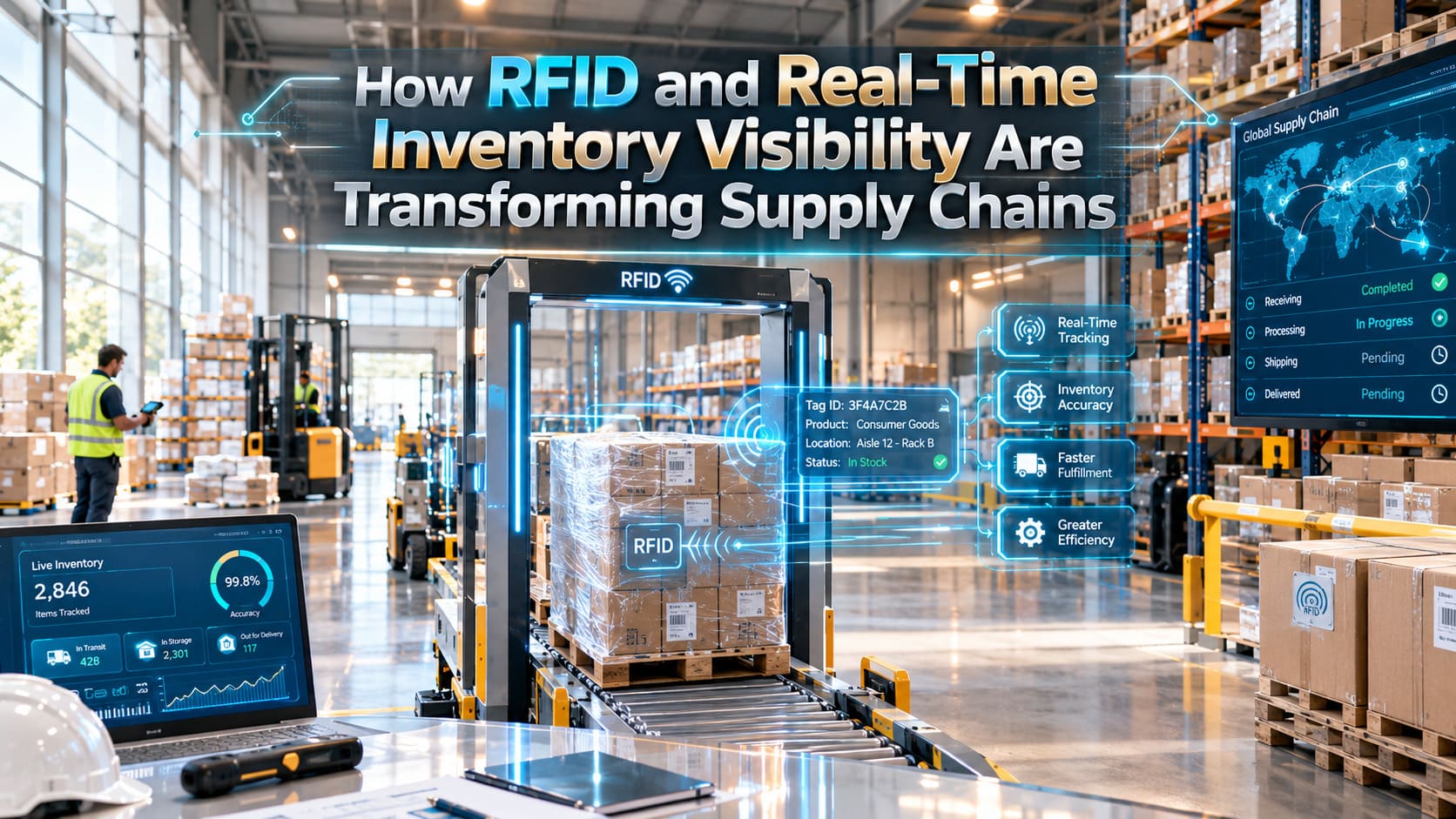
RFID (Radio Frequency Identification) is the technology turning the dream of a “circular” supply chain into a high-speed reality.
What exactly is a “Circular Supply Chain,” and why is it replacing one-way shipping?
A circular supply chain keeps materials in use instead of tossing them after one trip through production. It skips the straight path from factory to landfill because waste costs too much now. Old parts get reused, products are built to last, broken bits find new roles elsewhere. Resources spin around again rather than draining out. Companies shift this way not just to save money but because running out isn’t an option anymore.
One-way shipping is failing because:
- Escalating Material Costs: Fresh swings in pricing have hit wood supplies lately. Cardboard rolls now shift unpredictably week to week. Lumber rates climb without a clear pattern. Packaging materials waver under pressure from supply shifts.
- Regulatory Pressure: Facing stricter rules, businesses must handle the trash they create – especially wrappings. New laws shift the burden straight onto makers through Extended Producer Responsibility policies.
- Carbon Targets: A big chunk of a company’s indirect pollution comes from throwaway containers. One-time-use wraps, boxes, and bottles pile up fast in their carbon footprint tally.
One switch cuts costs nearly in half. Yet loss risks eat savings fast. Reusable containers save money over time when tracked well. Without control, gains vanish just as quick. Keeping tabs turns potential into real results.
How does RFID solve the “Missing Asset” problem in circular logistics?
One reason circular systems fail? Stuff goes missing. Send out a thousand returnable pallets, get eight hundred back – suddenly, those green benefits vanish under replacement costs. That gap is what changes everything. With barcodes, someone must locate each item and run it past a scanner.
But RFID tracks things on its own – no hand scanning needed. One by one isn’t the rule anymore when signals travel through space silently.
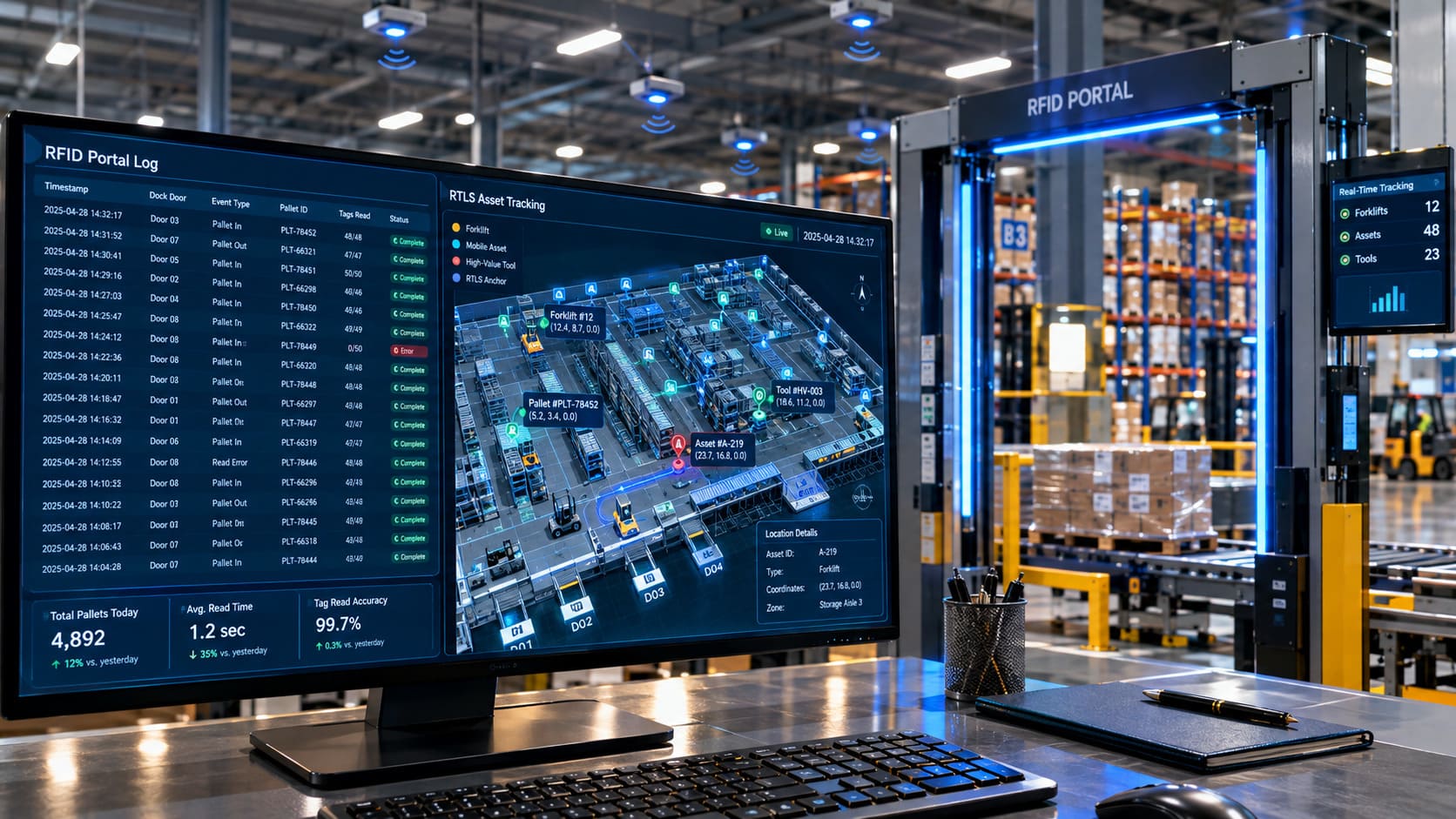
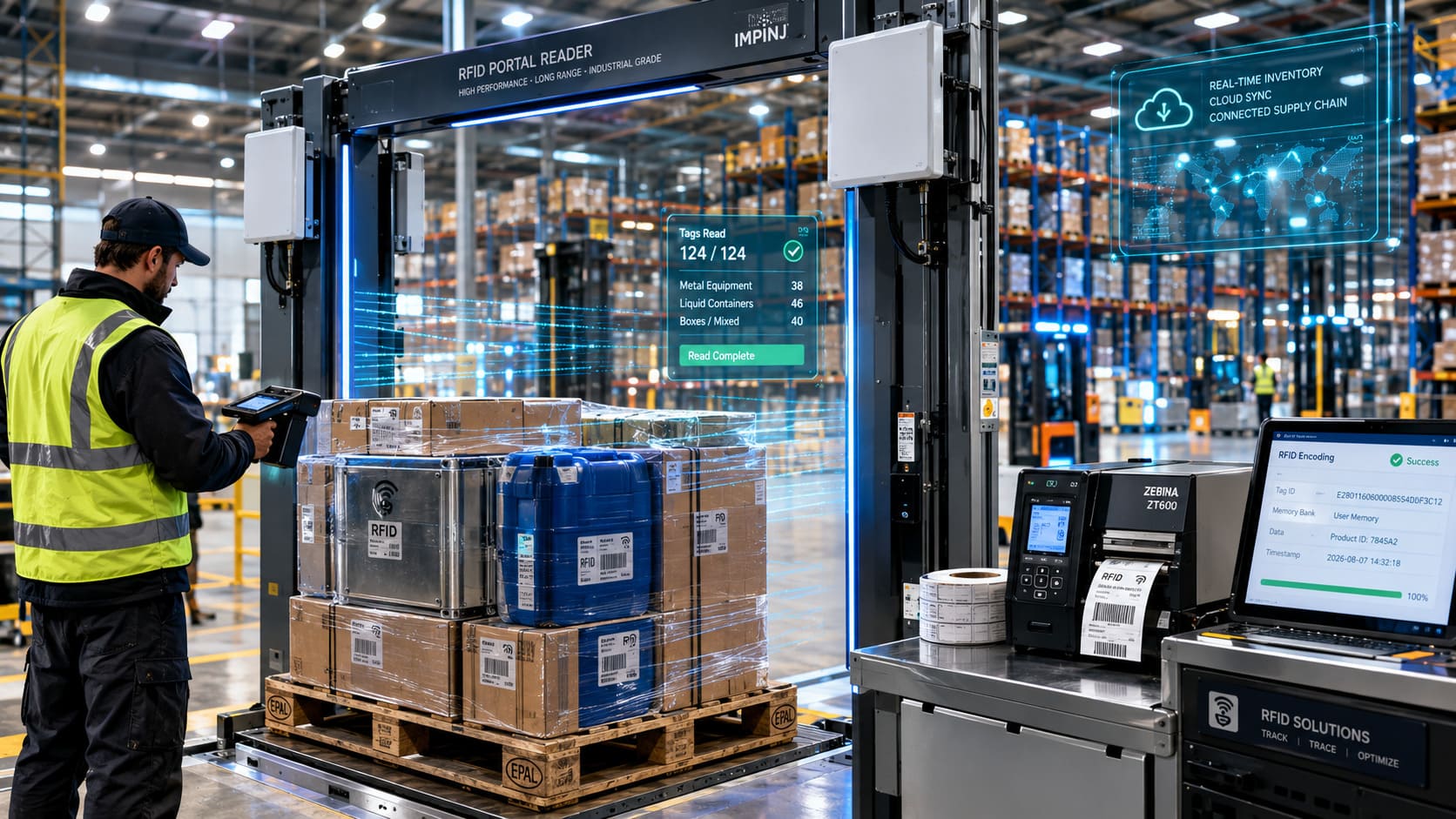
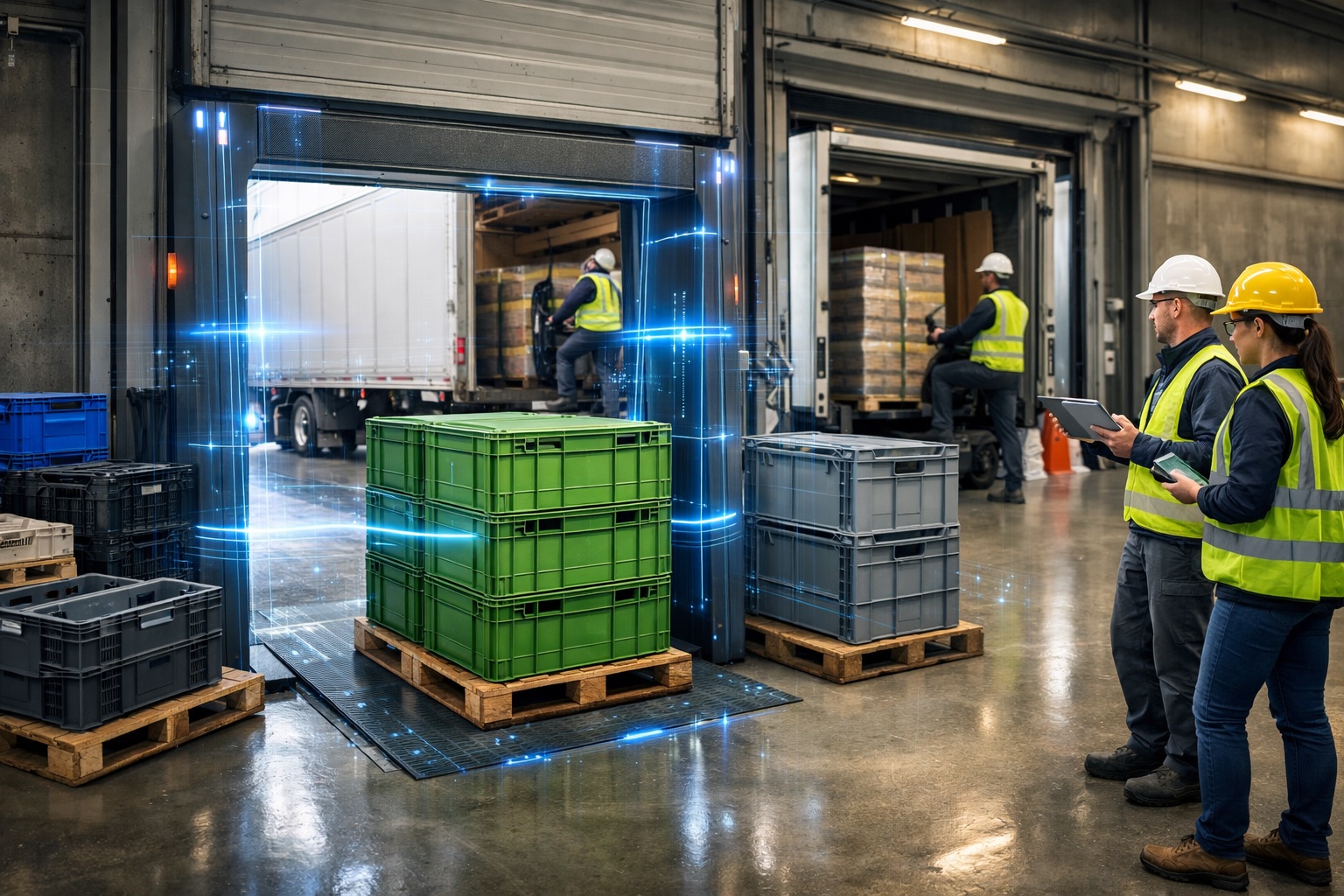
- Bulk Scanning: As a truck filled with 50 reusable crates drives through an RFID dock door, the system logs all 50 items in seconds without the driver ever leaving the cab.
- Real-Time Location: RFID allows you to see exactly which partner or warehouse currently “owns” the asset. If a pallet has been sitting at a distributor’s site for more than 30 days, the system triggers an automatic “return request.”
- The “Digital Birth Certificate”: Each RTI has a unique ID. You don’t just see “a pallet”; you see “Pallet #402,” which has completed 48 trips and is due for a safety inspection.
Can RFID help with the maintenance and hygiene of reusable packaging?
Every time a container moves through food or drug work, it needs more than just reuse – cleanliness matters just as much. With every scan, radio tags quietly track what happened, when, and where.
Wash Cycle Tracking: Every time a crate gets cleaned, machines at big washing spots log it using special tags. When one of these crates heads toward the clean area, checks happen behind the scenes. A gate might shut tight if no recent wash shows up in records from within a day. Alerts go out to staff when something does not match the cleaning schedule. The whole thing runs on automatic updates without anyone needing to press buttons.
Damage History: Every time someone scans an RTI, a worker taps out a damage note on a small screen right then. Because the RFID chip marks that exact item, it gets pulled aside for fixes instead of looping back to active use.
That one detail keeps broken units from slipping through. Repair teams get what they need without extra steps. The system moves quietly but never misses a tagged container. Mistakes fade when each piece carries its own history. Nothing gets guessed. Tracking stays sharp because the tag tells the truth every single pass.
Lifecycle Management: When stuff wears out, it fails. Tags inside the gear count how much use it gets. This way, machines get recycled on time – no surprise breakdowns that mess up production.
What is the ROI of switching from one-way shipping to RFID-enabled circularity?
Profit grows when costs drop. Money flows in as sales climb higher. Over time, value builds through customer loyalty instead of discounts.
- Fewer purchases happen when gear sticks around longer, since what you own survives wear plus stays where it belongs.
- One way to cut warehouse staffing expenses? Streamline entry and exit tracking through automation – this slashes hand-counting work by roughly eight to nine out of ten tasks. Efficiency jumps when machines handle sign-ins and departures instead of people ticking off items one by one.
- Where rules exist, firms showing strong recycling numbers often skip fees on disposable alternatives – some even gain financial perks instead. A solid recovery rate turns penalties into advantages, especially when rivals rely on one-time packaging. Laws meant to discourage waste quietly reward those who rethink materials.
Conclusion
Back then, sending stuff off once made sense when costs stayed low, and nobody tracked much. Now? Information drives change, turning old habits upside down. With RFID tags watching every move, reused containers stop being a burden – instead, they work hard, saving money while helping nature. Profits grow right alongside responsibility, proving smart systems pull double duty.
FAQs
Is the RFID tag durable enough for hundreds of trips?
True enough. Ruggedized plastic or epoxy holds the “Hard Tags” used in circular logistics systems. Built tough, they resist harsh conditions like intense heat or cold. High-pressure washdowns won’t damage them either. Even if a forklift runs over one, it keeps working.
Can we track our reusable items when they are at a customer’s site?
That depends on the setup. Some systems log location in real time. Others need manual updates. When customers already have RFID readers, data flows through the cloud. Without those devices, try using “Last Seen” tracking instead. As the item exits your dock and loads onto the truck, scan it. Responsibility shifts to the receiver right then. The chain stays active until someone scans the item again at your site.