A vial of vaccine may pass off as completely normal and yet be of no use.
That is the secret threat of cold-chain logistics. Biologics, such as vaccines, plasma, blood units, and others, can travel thousands of miles between manufacturing facilities and hospitals, clinics, and blood banks. During that trip, even exposure to even lower temperatures than the safe range can reduce potency, shorten shelf life, or even render that product unsafe to use.
The issue is not complicated: temperature damage is usually not visible
This is why today, a new branch of medical healthcare logistics is based on Radio Frequency Identification (RFID). RFID is more than a tracking tool; it has become an important component of safeguarding life-saving medical products.
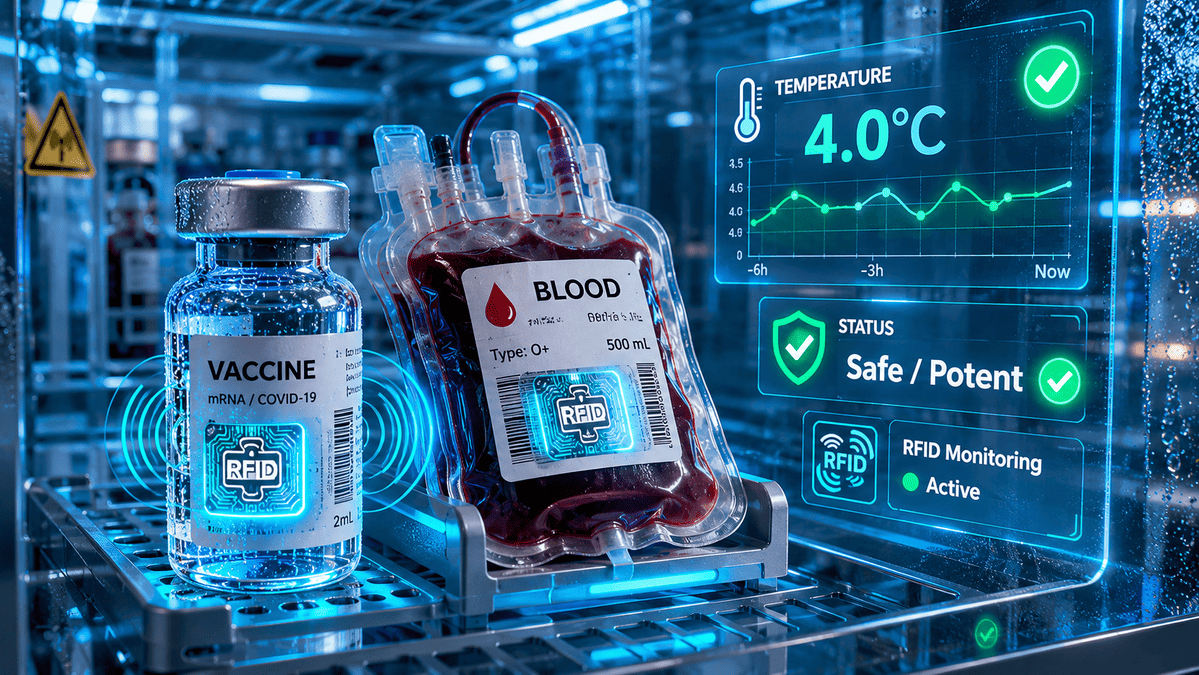
Having specialized sensors installed on RFID systems, the healthcare providers will be able to monitor the temperature conditions in real-time and identify the issues before a shipment that has been compromised reaches a patient.
Why Cold-Chain Control is So Important?
Numerous biologics are extremely sensitive to temperature.
Vaccines may need to be kept between 2°C and 8°C, with some advanced biologics and mRNA products requiring much lower temperatures. Blood products also have strict requirements:
-
Whole blood and red blood cells normally have to be stored refrigerated.
-
Platelets tend to be stored agitated and at controlled room temperature.
-
The frozen storage of plasma is often necessary.
Even a change in temperature by a small number of degrees might not be visible to change the product. Label appears okay. Packaging appears to be intact. But the physical wholeness can already be vitiated.
In the case of healthcare systems, this poses severe threats:
-
Inventory loss of costly inventory.
-
Delayed treatment availability
-
Reduced vaccine effectiveness
-
Regulatory non-compliance
-
Greater patient safety issues.
This is where RFID alters the equation.
What RFID Really Does in the Cold-Chain Management
The conventional barcodes recognize an item upon scanning. RFID does far more.
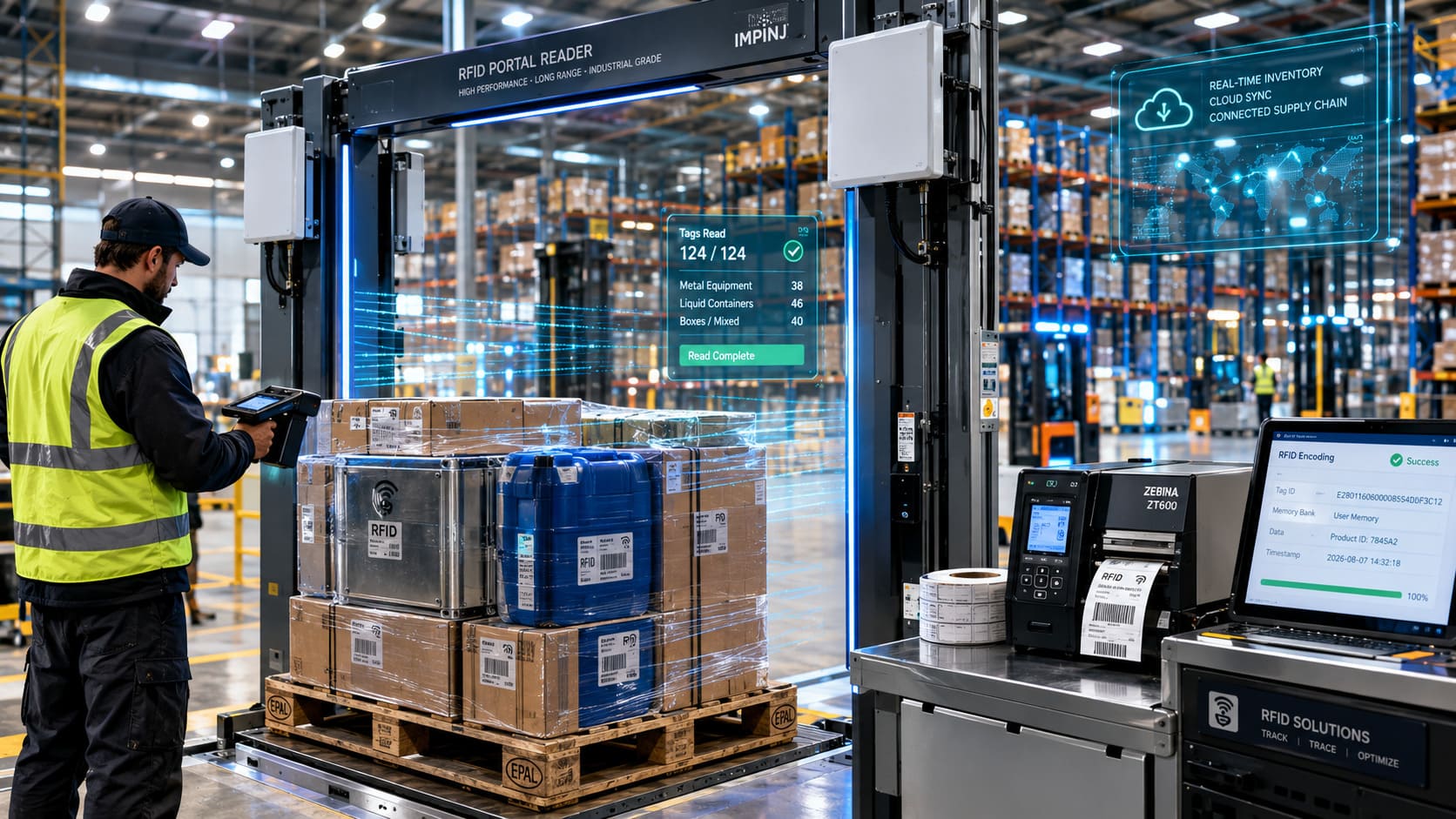
RFID involves the use of tiny tags, which can wirelessly communicate with the readers. Advanced RFID tags can also have temperature sensors, data loggers, and alert features in cold-chain healthcare settings.
Rather than being aware of the location of a shipment, healthcare providers can be aware of:
-
Where it is
-
How long has it been there
-
Exceedance of temperature limits.
-
When a temperature violation took place.
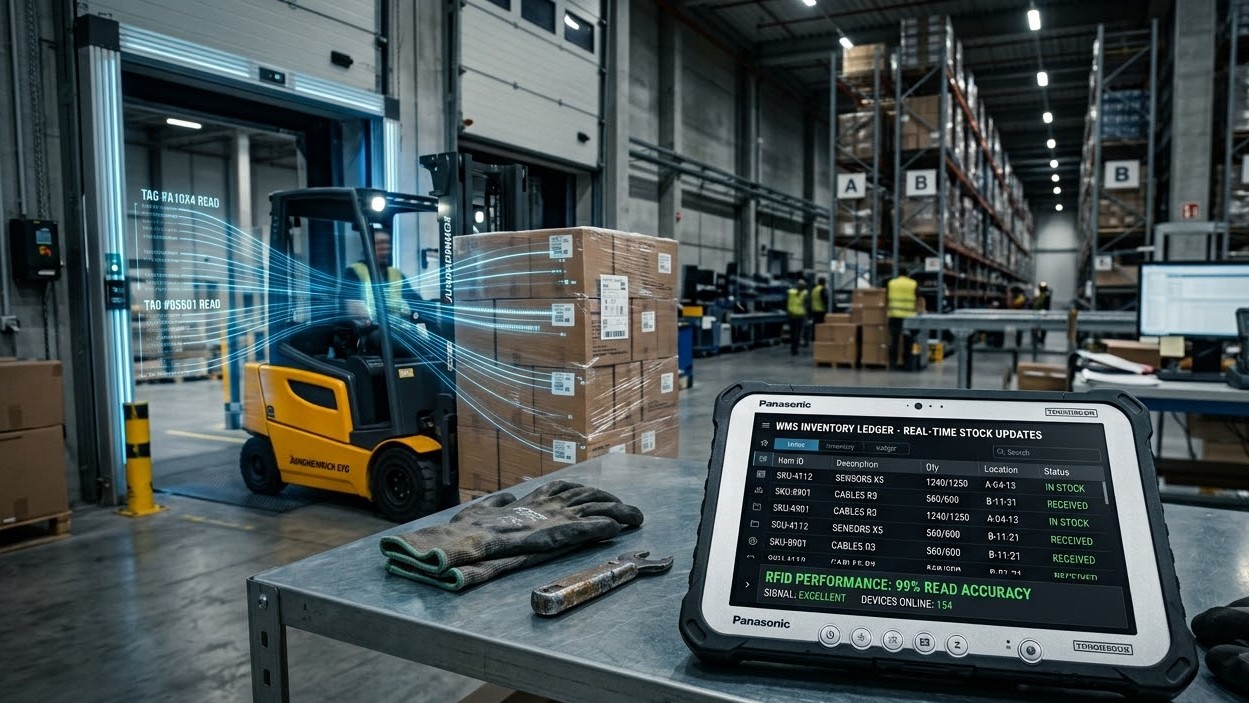
Such visibility changes cold-chain management from a passive tracking system (3) to an active protection mechanism.
Special Temperature-Sensing RFID: The Real Game Changer
The most important development is the rise of sensor-enabled RFID tags.
These special tags are used to continuously check the conditions of the environment when vaccines or blood products are in transit, temporary storage, or awaiting use.
Herein is their assistance in keeping potency:
-
Continuous temperature monitoring
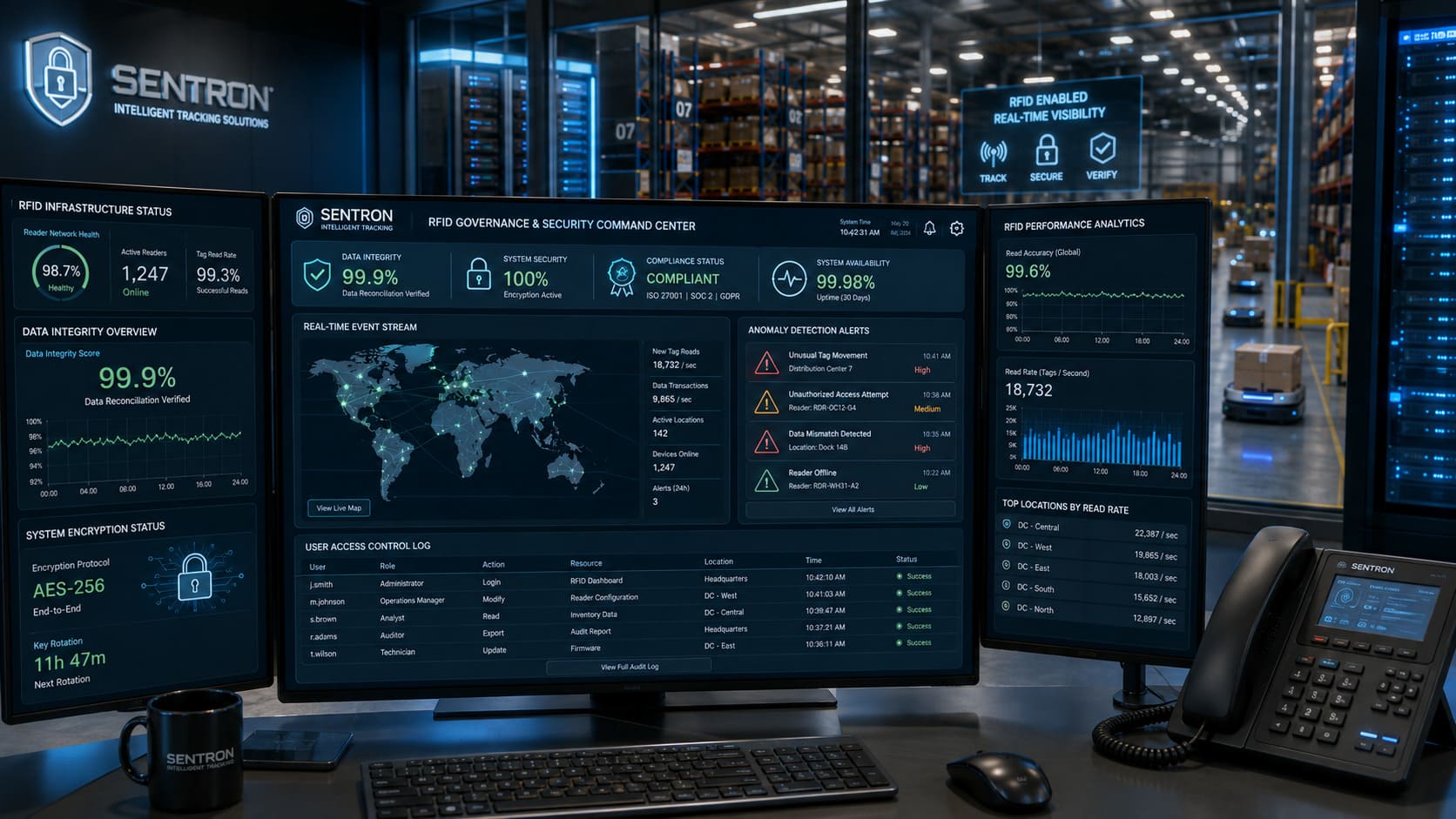
Instead of using a few manual temperature checks, RFID sensors (4) provide an unbroken series of temperature readings.
-
Immediate exception alerts
In case a cooler door remains open excessively or in case of refrigeration breakdown, the system has the ability to send an alert in real time.
-
Automated audit trails
All temperature readings may be saved automatically and provide credible documents to comply with and assure the quality.
-
Product-level visibility
Rather than monitoring a box or container, organizations may monitor specific trays of vaccines, blood bags, or biologic batches.
Such a degree of accuracy is crucial as not all the products included in a delivery can undergo the same conditions.
The use of RFID in the distribution of vaccines
There are usually several hands through which the vaccines pass:
manufacturer, distributor, transport carrier, regional storage facility, local clinic, and lastly the patient.
Every transfer point entails risk.
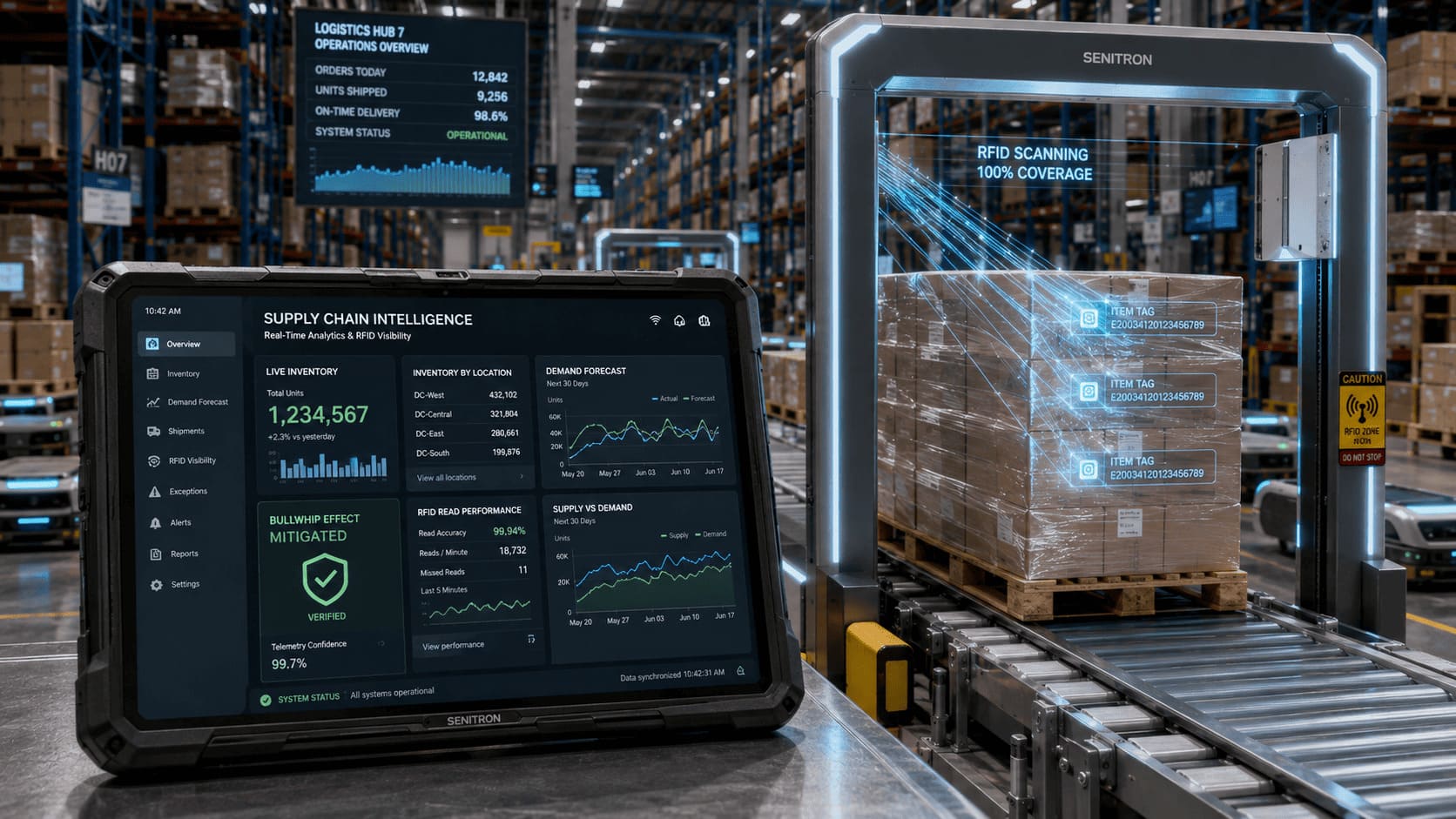
RFID helps lessen those blind spots by providing healthcare teams with real-time data(5) throughout the journey.
RFID assists in vaccine logistics in the following areas:
-
Ensuring that storage conditions did not go out of control during transit.
-
Identifying loading dock or transit hub delays.
-
Last-mile delivery monitoring of exposure.
-
Minimizing waste due to the uncertain history of temperature.
-
Enhancing better inventory visibility by supporting mass immunization programs.
This can result in a gigantic difference during the public health campaigns. Rather than throwing out large amounts of vaccines due to the uncertainty of exposure, it is possible to have the staff detect the exact units that are safe.
The application of RFID in blood and blood component management
Blood logistics is an alternate yet equally challenging problem.
Blood products are perishable and have extremely specialized storage needs. Faster and more accurate results are required by hospitals and blood banks.
RFID is beneficial because it integrates location, temperature management, and inventory intelligence.
The major benefits of blood management are:
-
Quickly find out which blood units are available.
-
Better first-expire-first-out rotation
-
Less loss due to unrecognized deviations in temperature.
-
Enhanced tracing of donor collection to transfusion.
-
Quick reaction in cases of emergencies.
In the case of trauma care, surgery, and critical care settings, the idea that operational visibility can have direct patient outcomes is accurate.
Why RFID is better than Manual Monitoring
In several facilities, manual temperature logs still exist, but they present apparent vulnerabilities. One of the staff members can check the storage temperatures after every few hours, but what about the in-between period? Even a refrigeration problem that lasted as little as 30 minutes would have gone unnoticed.
RFID closes that gap.
RFID provides:
-
Ongoing and not intermittent monitoring.
-
Reduction in human recording.
-
Faster incident detection
-
Better historical data
-
Reduced documentation burden
Minutes do count in healthcare logistics. Constant visibility can be more important.
On-the-job Advice on how to achieve improved RFID Cold-Chain performance
Technology is best when combined with good working practices.
Helpful implementation tips
-
Select sensor tags with caution. Not all RFID tags measure temperature. Ensure that the tag is appropriate in the sensitivity profile of the product.
-
Properly set alert thresholds. Alarm setting must be based upon real biologic needs, rather than on generic refrigeration standards.
-
Keep a close eye on handoff points. The greatest exposure risk is usually presented by loading, unloading, and temporary staging areas.
-
Train staff thoroughly. Even sophisticated systems do not work when employees do not pay attention to warnings or mishandle tagged goods.
-
Validate calibration regularly. Temperature sensors should be able to maintain accuracy over time.
-
Combine RFID and inventory software. Tracking data is most value-added when that data can be directly linked to stock management and compliance reports.
The Future of Invisible Protection
Healthcare logistics is becoming more intelligent, quicker, and more data-driven.
With the development of biologics and their increasing complexity and higher costs, the cost of a temperature failure continues to escalate. RFID is a viable solution as it can render invisible threats visible. A vaccine is not supposed to inform anybody that it was exposed to heat. A blood unit cannot declare that it has been interrupted in its safe storage window.
However, an RFID sensor can. And in cold-chain medicine, that silent indicator can defend the potency of products, decrease waste, enhance adherence, and ultimately help to save lives.
FAQ
What is RFID in cold-chain healthcare logistics?
Out here, tiny radio-linked labels keep tabs on medicines like vaccines and blood bags. When it comes to icy supply routes, smarter versions of these tags check the chill level too – so clinics know if delicate treatments stayed in the right zone while moving or sitting still.
What makes temperature monitoring so important?
When vaccines sit too long in heat or cold, they might stop working properly. A brief shift in temp could weaken them even if nothing looks wrong. That is why watching the conditions all the time matters so much. Safety for people who need treatment depends on it. So does trusting that what’s given still holds its strength.
How can RFID improve manual temperature checks?
Midway through the day, someone might jot down a number on a clipboard. But tiny sensors tucked into packages keep watching all the time – logging each shift in warmth or chill without pause. When things drift too high or low, a signal fires off instantly instead of waiting hours. That split-second heads-up means fixes happen before problems spread.
Is it possible to reduce medical waste?
True. With RFID, each product carries its own record of temperature changes over time. Rather than tossing out full batches when doubts arise, medical staff pinpoint which items stayed within safe ranges – others showed signs of exposure. Temperature data sticks to every unit, making decisions sharper.
Where is RFID most useful?
When goods move between places, RFID proves useful. Temperature might swing – handling could lag. Think of warehouses where items stack up. Hospitals accept shipments this way, too. Blood banks track supplies, relying on steady conditions. Even at the final leg of delivery, monitoring stays critical. Each step carries its own weak points.