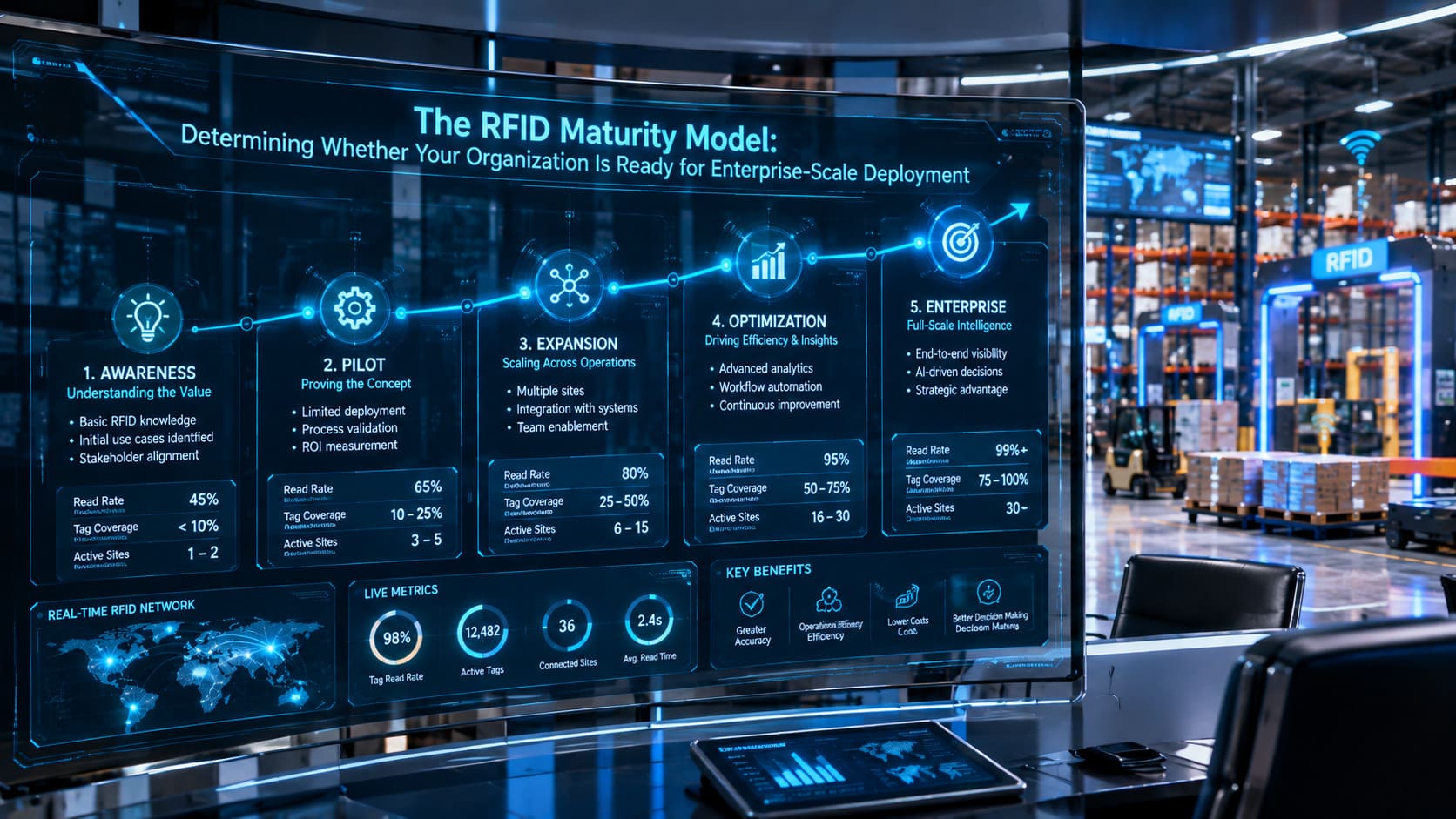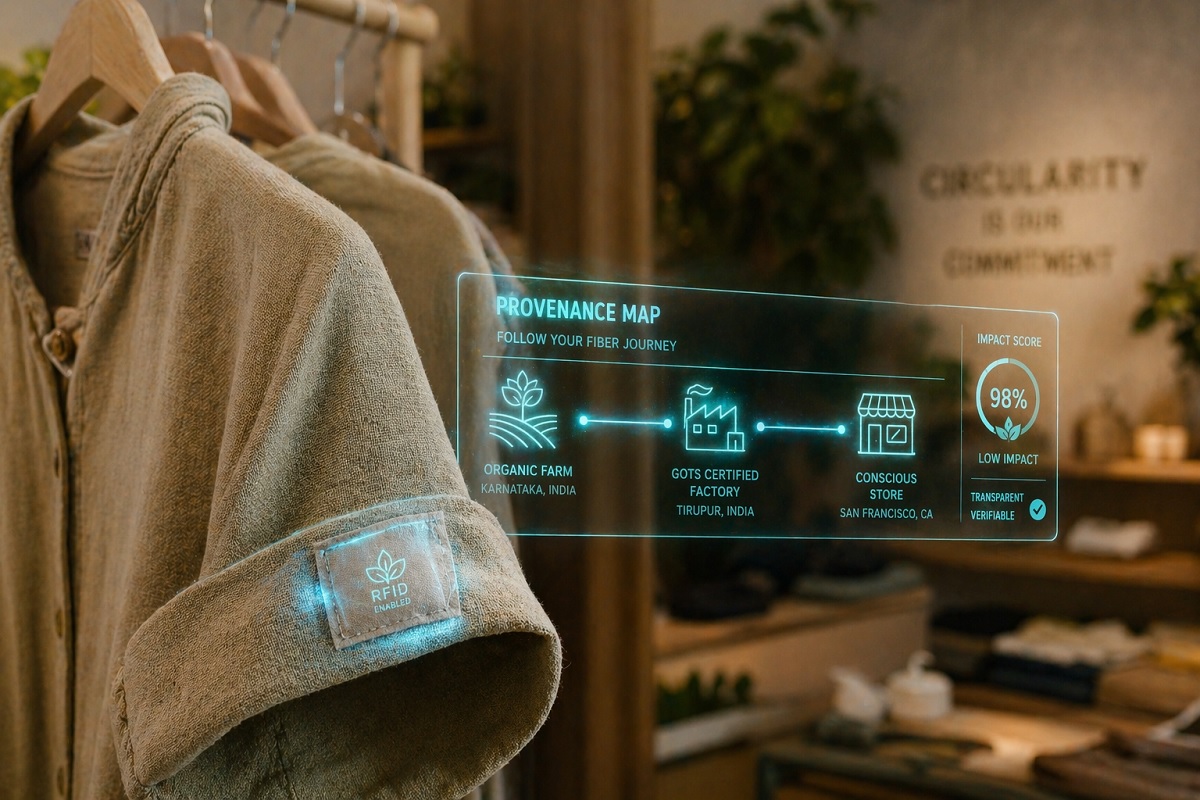
In the current hyper-transparent market scenario, the reputation of a brand does not only rely on the quality of its product, but rather on how ethical its supply chain is. Consumers, investors, and regulators- equipped with new requirements, such as the Corporate Sustainability Reporting Directive (CSRD) of the European Union- no longer take the vague promises that are made in the name of sustainable practices. They require auditable, verifiable evidence.
The world supply chain has been based on paper trails and static PDF audits, retroactive reporting over the decades. Such approaches create tremendous blind spots, which allow for unauthorized subcontracting, environmental sabotaging, and the much-feared problem of greenwashing. Surviving and successful businesses demand a system that follows the truth of the journey of a product in real-time.
This brief walks you through how Radio Frequency Identification (RFID) technology is influencing an Immutable Thread, closing the distance between tangible assets and digital responsibility to conclusively demonstrate the source of ethics and give rise to a real circular economy.
Why are traditional supply chain audits failing to prove ethical sourcing?
The failure of traditional supply chain transparency is due to the fact that it takes disconnected and batch reporting, as opposed to real-time and item-level tracking.
When using paper forms or manual entry of data, the information is as good as the individual, as a brand, who is inputting the information. This poses the following vulnerabilities:
The majority of brands possess the view of their immediate, Tier-1 suppliers. Nonetheless, unethical practices, like forced work or deforestation, normally happen at the Tier-3 or Tier4 stage of the raw materials. Manual audits would not effectively be able to help trace a completed piece of garment to the particular farm that cultivated the cotton.
- Unauthorized Subcontracting
An ethically approved and certified factory may take a huge order and quietly outsource it to an unvetted shadow factory to hit deadlines. Paper records will merely record the goods shipped in the approved facility.
- Retrospective Data
The traditional audit records one point in time. When an auditor goes to a facility in January, the brand would presume that the rest of the year is compliant, regardless of the common sense of global manufacturing that is dynamic and day-to-day.
How does RFID technology create an “Immutable Thread” for products?
RFID converts tangible objects into native digital objects. Using a passive RFID tag on the point of origin, i.e., a processing plant of a raw material or the first assembly floor, a product is assigned a unique and serialized Electronic Product Code (EPC).
The process of automated validation forms the Immutable Thread:
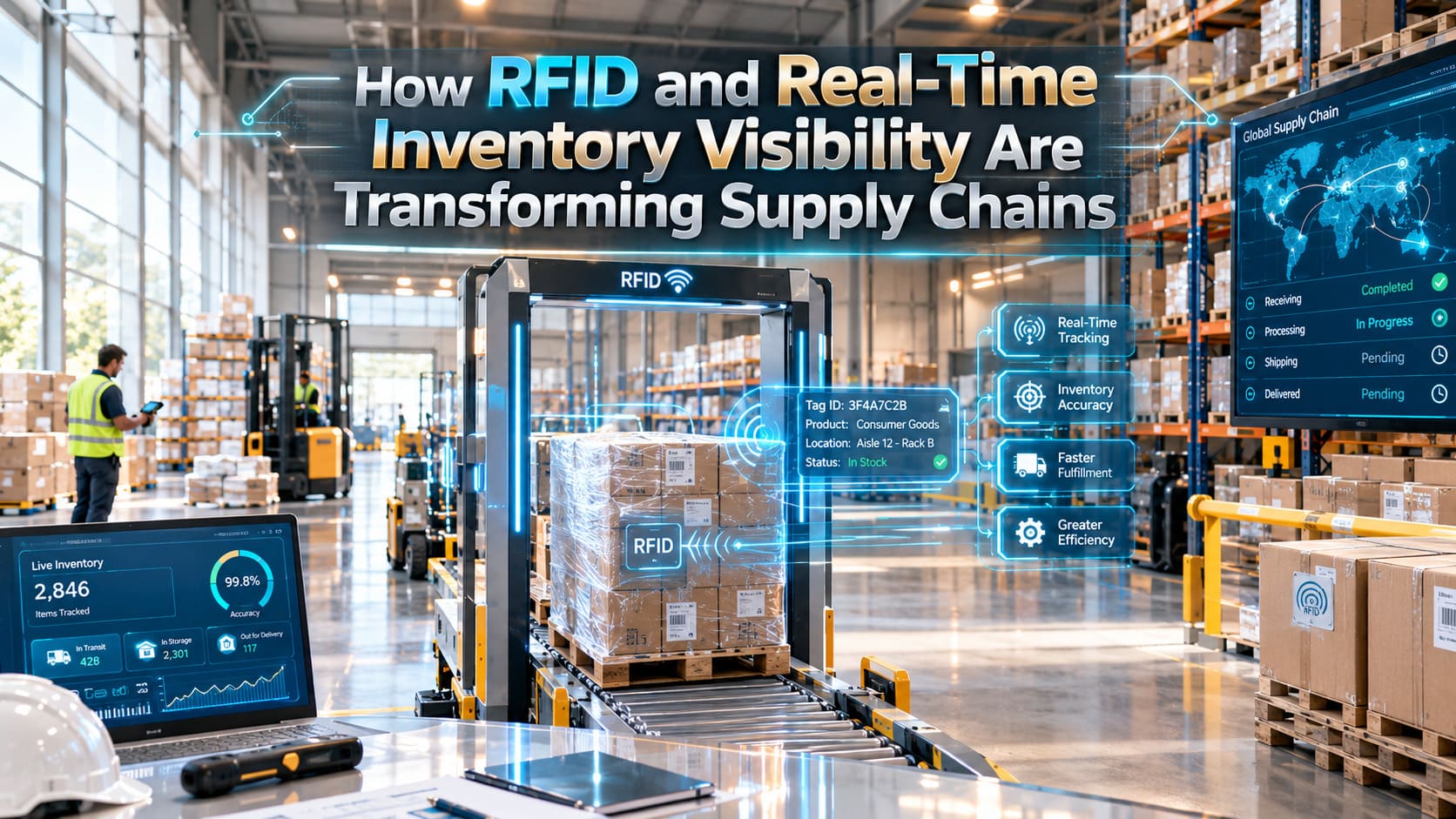
The RFID tag of the item being tracked is read by predetermined RFID points at factory doors, shipping docks, and distribution centers. There is no human interaction or barcode scanning by hand.
- Timestamping and Geolocation
Each time the tag is read, the system logs the exact location and the time. This leaves a chronological trail of breadcrumbs of the path that the item has taken.
- Introduction of blockchain Technology
To achieve the real sense of immutability in this thread (tamper-proof), it can be fed through sophisticated RFID middleware into a secure blockchain transaction registry, e.g., offered by Senitron.
There is no opportunity to alter or erase the data after it has been logged, and someone with bad intentions to conceal their tracks cannot do anything with it.
How does this technology specifically validate ethical labor and material sourcing?
RFID takes ethical sourcing out of a trust-based system and puts it in a verification-based system. It uses space and time as a way of enforcing compliance.
- Geofencing the Supply Chain
Brands have an opportunity to trace their ethical supply chains. When a delivery of raw materials goes to a completed-product plant, and according to the RFID tracking, it has skipped the certified processing facility and received a ping in an unauthorized geographic area, then the batch will immediately become flagged in the system and be reviewed by compliance.
- Fighting Counterfeits and Conflict minerals
Provenance can be ensured by tagging valuable raw materials or components at the origin, through which manufacturers can ensure provenance. When a shipment of materials does not have proper RFID history, it will be unable to be pumped into the legitimate supply chain, blocking the markets of conflict members of the market and fake goods.
- Labor Volume Matching
In this case, when the ethical certified factory is capable of producing an item of 10,000 pieces a week and the RFID system records 30,000 pieces with the tag out of the factory dock, the brand already understands that illegal subcontracting has taken place.
Conclusion
Beyond proving ethical sourcing and real-world circularity are now more of a data challenge, rather than an abstract accomplishment. Trusting your brand to stagnant audits in a fluid world exposes you to trivial non-compliance and brand injury.
RFID technology will give you that thread that no one can bend and that will bind your tangible products to the digital reality so that you, your regulators, and your customers will have all the confidence they will want in every part of the supply chain.