WarehouseThe black hole of operations in the warehouse is returns. Whereas there is a one-direction street whose shipping is streamline, the backwards logistics of returns are unorganized. Goods are shipped in the wrong boxes, there is no packing slip, the barcodes are not readable, and they are damaged.
These items are lying in a pile to be worked through, and they are never recorded in a computer; as a result, the inventory accuracy drops, and the capital remains tied up in a stock that cannot be sold; the so-called phantom stock.
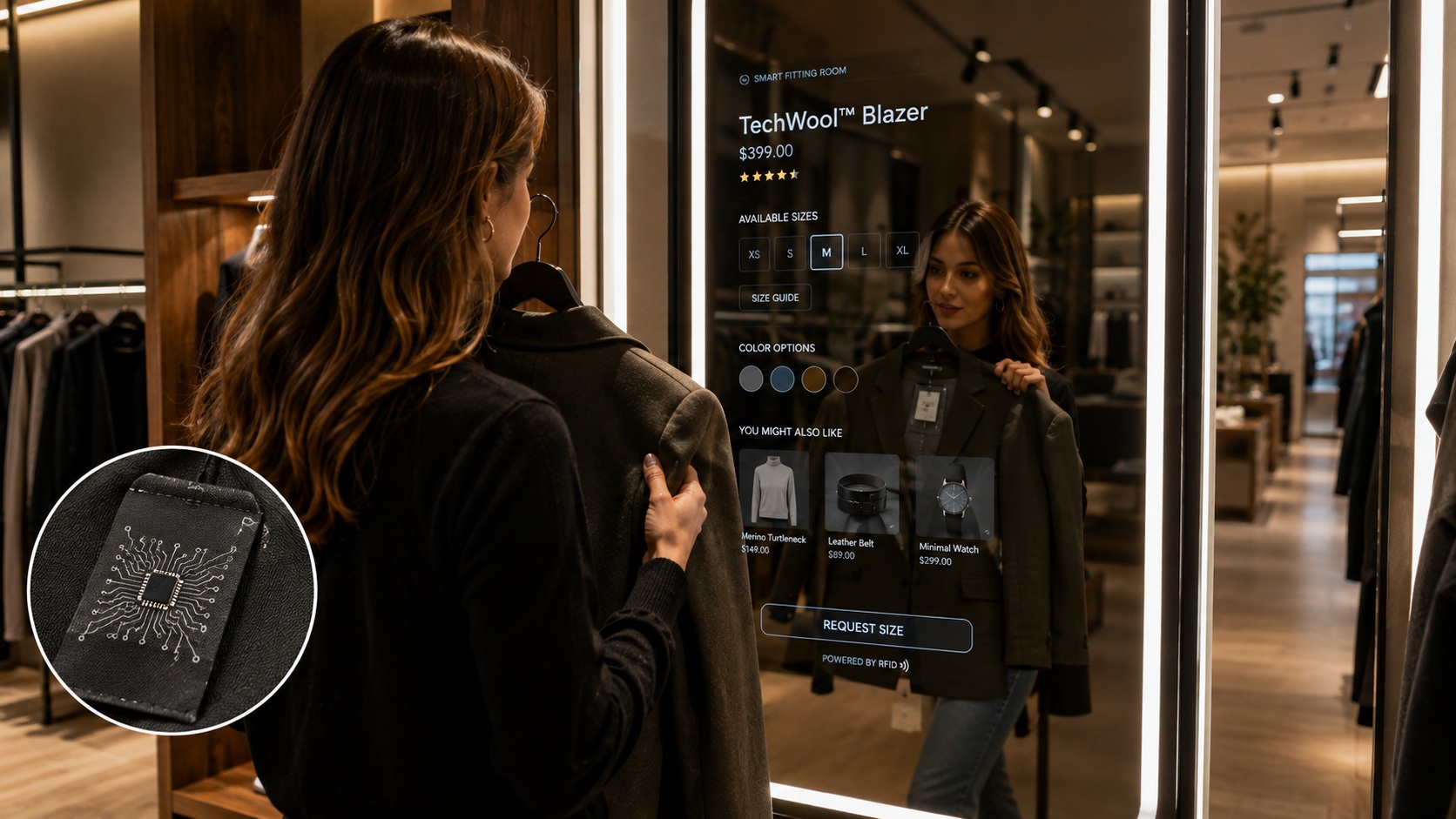
To reveal the mystery of unscanned returns, it is not about trying harder but thinking differently in regard to the inventory. Warehouses by adopting RFID (Radio Frequency Identification) are also shifting away from manual and error-prone scanning toward automated and 100 percent visibility.
Why are returns so difficult to track compared to new inventory?
The major risk with returns is uncertainty. A warehouse will be supplied with new products by a manufacturer; the new products come in clean pallets, always in neat and predictable stock with clean documents. Individual edge cases are however returns:
- Damaged Barcodes: Due to shipping, the shipping labels become scribbled or sticky and cannot be read by the traditional optical scanners.
- Lost Documentation: Customers often lose the return authorization (RMA) slip, and it is time-consuming since the order has to be located manually in the system by the warehouse personnel.
- The One-by-One Bottleneck: Barcode systems have the worker physically locate the tag on each and every item. In case there are ten SKUs in a box of returns, each worker will need to work on each SKU separately.
- Consafe Logistics says that when an item moves, but it is not scanned, then it literally no longer exists within your WMS (Warehouse Management System). This results in the over-ordering of safety stock and revenue wastage.
How does RFID technology solve the problem of “invisible” returns?
The RFID makes the check-in process different. Rather than the laser having to strike the barcode in a line-of-sight scan, RFID is equipped with radio waves.
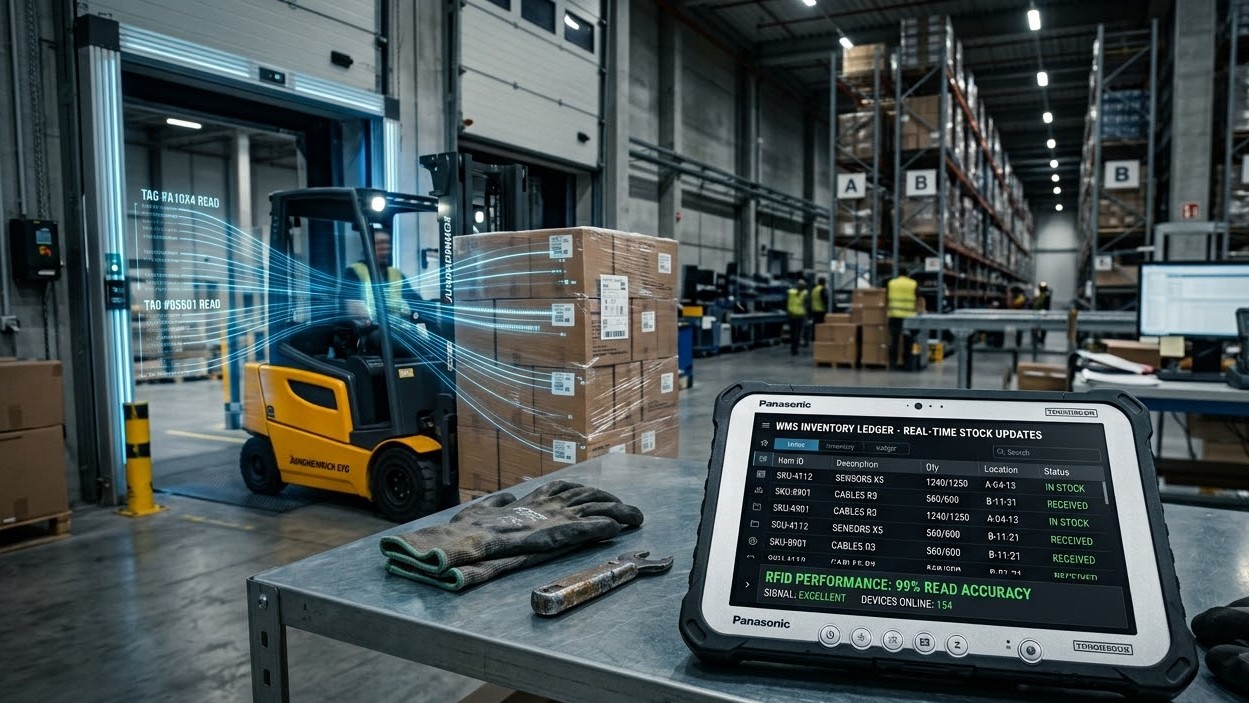
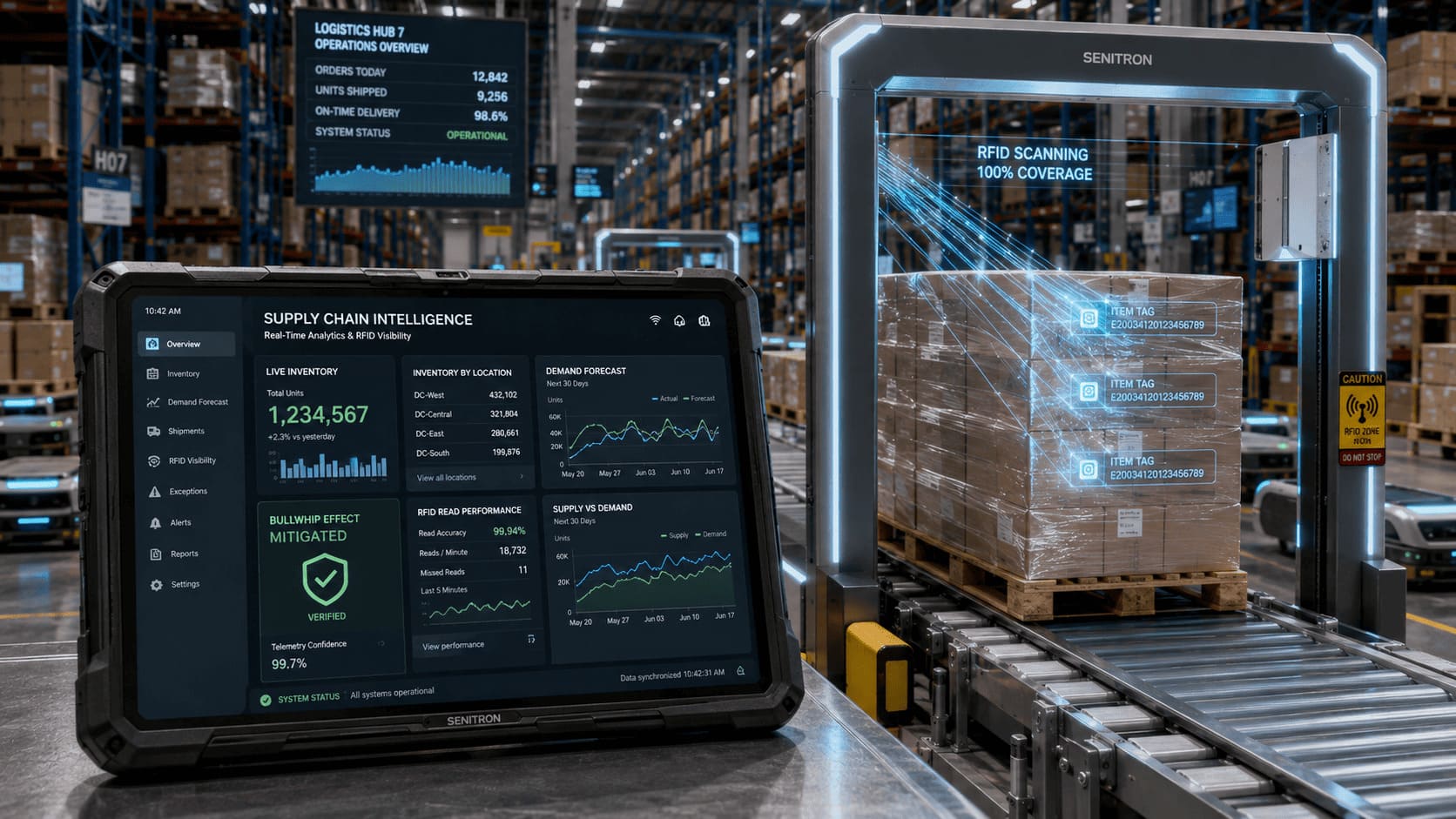
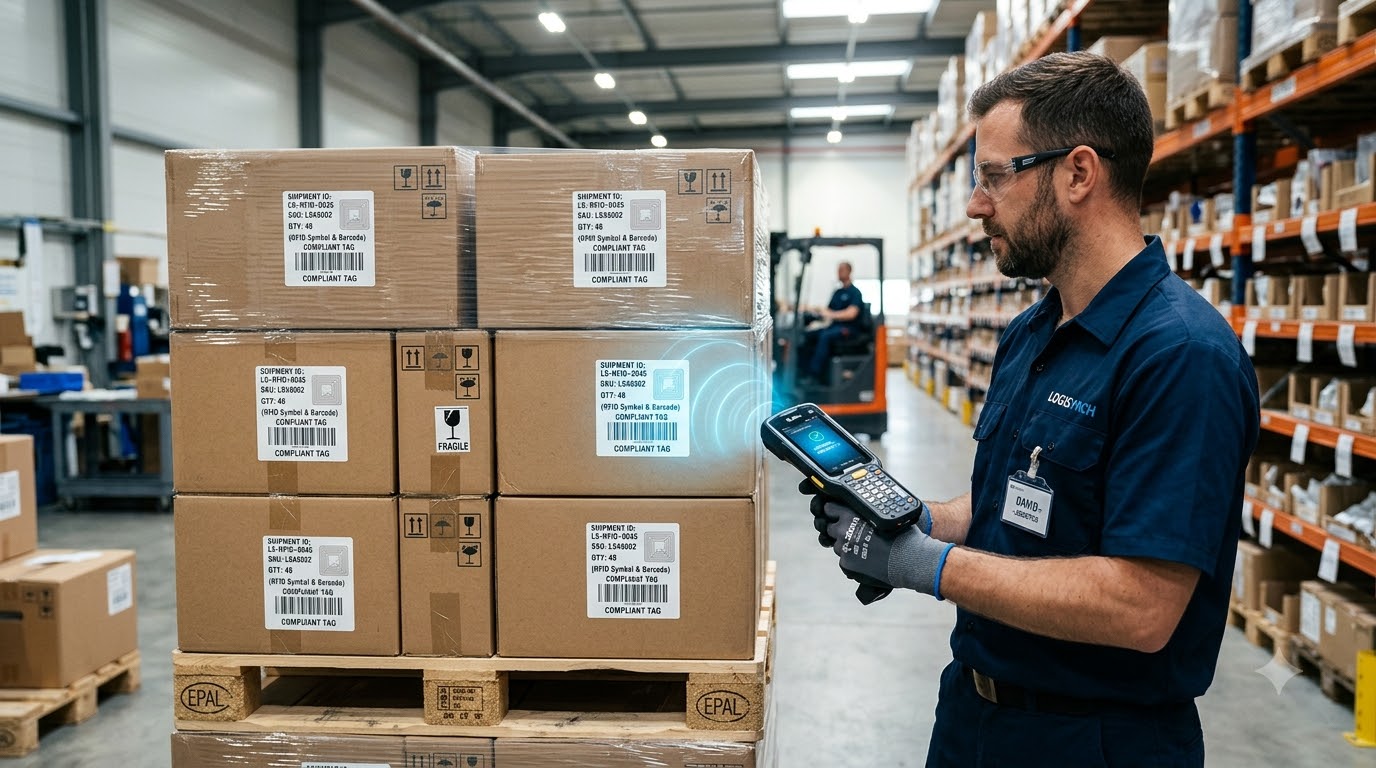
At the point of entry into the warehouse by a return shipment via an RFID-receiving portal or dock door, an instantaneous ping will be made on all tagged objects within the box- even when the box itself is closed.
Instant Identification: The system is aware of what is stored in the box even before the worker opens their box.
Bulk Processing: A worker can pass a pallet to a reader, scan all ten items, and record the ten returns in milliseconds instead of picking them one at a time.
No Barcode Required: The internal RFID chip will still be readable even in the event that the physical label is ripped off or taped up.
What is the impact of automated returns on inventory accuracy?
The issue that most warehouses have is the “Returns Lag”- often it can take a lot of time between the time when a product reaches the dock and when it is noted as being available in the system. This lag is usually 24-72 hours.
This lag is practically removed with RFID. Upon passing the dock door reader, the WMS can move on to indicate that the item is On-Site/Awaiting Inspection. Studies conducted by Zebra Technologies and Camcode say that RFID can improve inventory precision at the warehouse to 99 percent, mostly by sealing the leaks that exist between the return process.
Can RFID help with the “Disposition” of returned goods?
Yes. The decision on what to do with a return is the most time-consuming aspect of a return: Restock? Repair? Liquidate? Recycle?
The product can have RFID tags serving as a kind of a Digital Diary. With the help of the software, the history of an item can be retrieved immediately after a worker scans the tag on inspection.
The system can be set to automatically flag the tag as either “Quality Audit” or Liquidation, rather than returning it to the shelf, in case the tag shows the item has been returned two times already. This decision-making automation accelerates the process of the Reverse Supply Chain so that items of low quality do not end up in the hands of another client.
Is the investment in RFID worth it just for returns?
Although the ROI of RFID is usually determined through the speed of outbound, the hidden profits are in Reverse Logistic.
Savings in Labor: The cost of labor can be saved by one-third to half in the returns department through automation of returns identification.
This addresses the issue of faster refunds: Rapid scanning will result in quicker customer credit, and this will contribute greatly to customer loyalty.
Minimization of Shrinkage: Items that have not been scanned can be stolen easily or lost simply. Should all the items be digitally perceived when they pass through the door, the possibility of being lost will not exist.
Conclusion
Once you start using manual barcodes, you are hoping that your employees are impeccable and that a sheet of paper is good. RFID eliminates such variables. Automating your reverse logistics entry point means that you will be guaranteed of counting each return, supporter a return quicker, and that your inventory is in real-time with the position of your actual stock.
FAQs
What happens if the returned item doesn’t have an RFID tag?
Whereas most manufacturers are currently labeling products on the source, the warehouses may utilize a tag at the Receiving station. Once an untagged return, the worker affixes an RFID label of low cost. Since then, the product has been automatically monitored and operated by inspection, cleaning, and restocking.
Does RFID replace the need for a WMS (Warehouse Management System)?
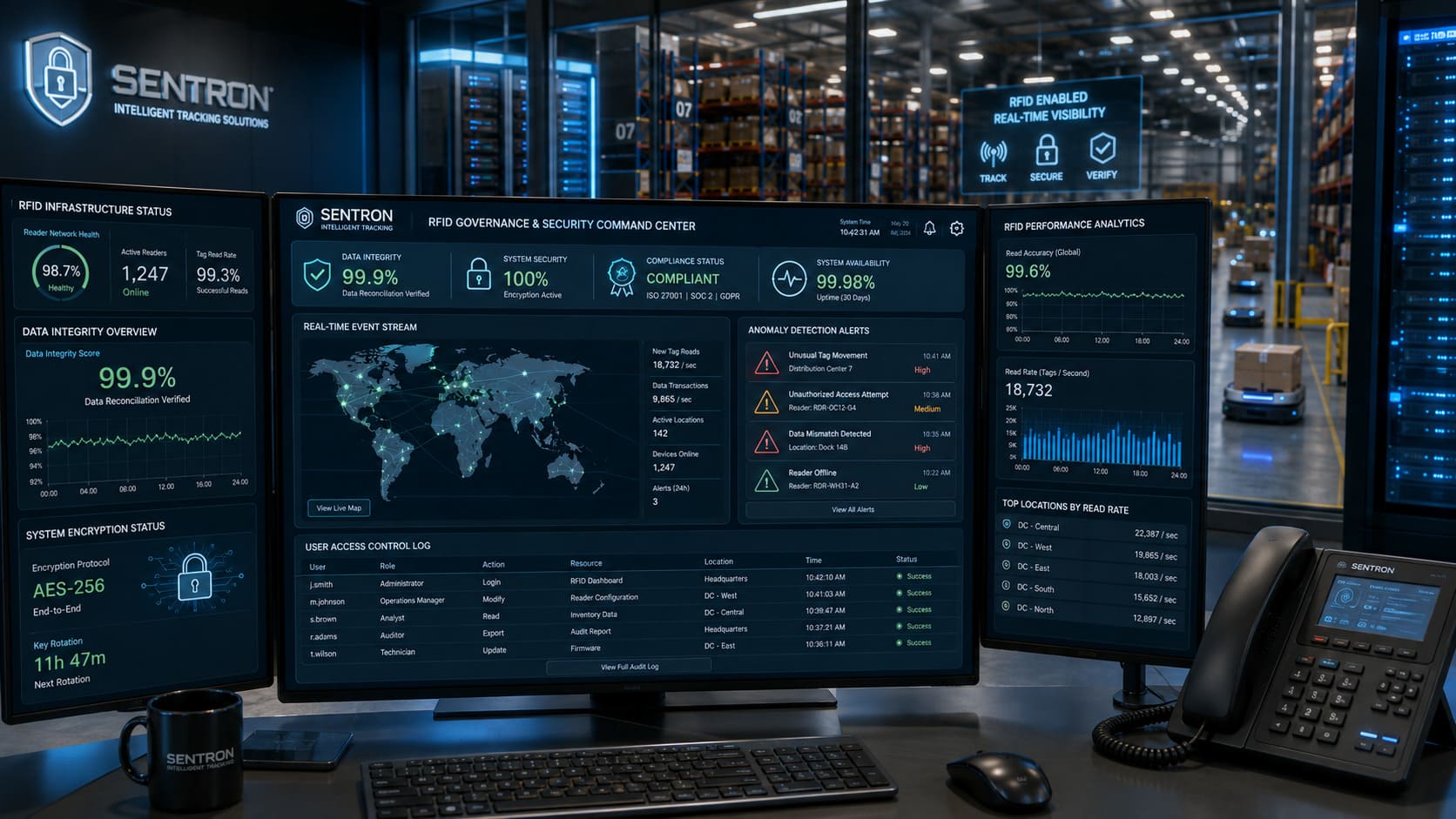
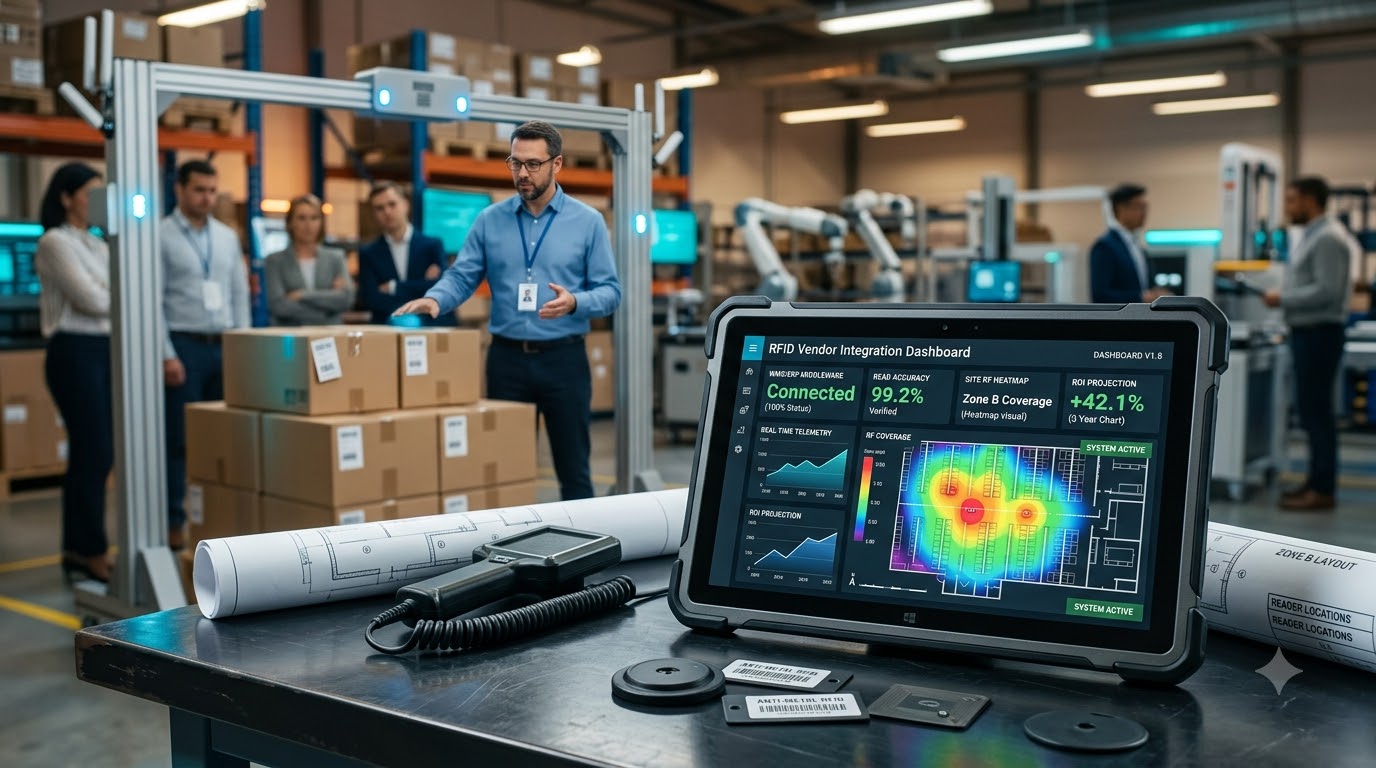
No. RFID is your vision of what is in your warehouse, and the WFS is the brain. RFID records the information (what was/was not moved and where it was), and the WMS processes this information in order to modify the stock levels, issue refunds, and provide workers with the appropriate put-away point. To be successful, it should be integrated.
Will metal or liquid in returns interfere with the RFID signal?
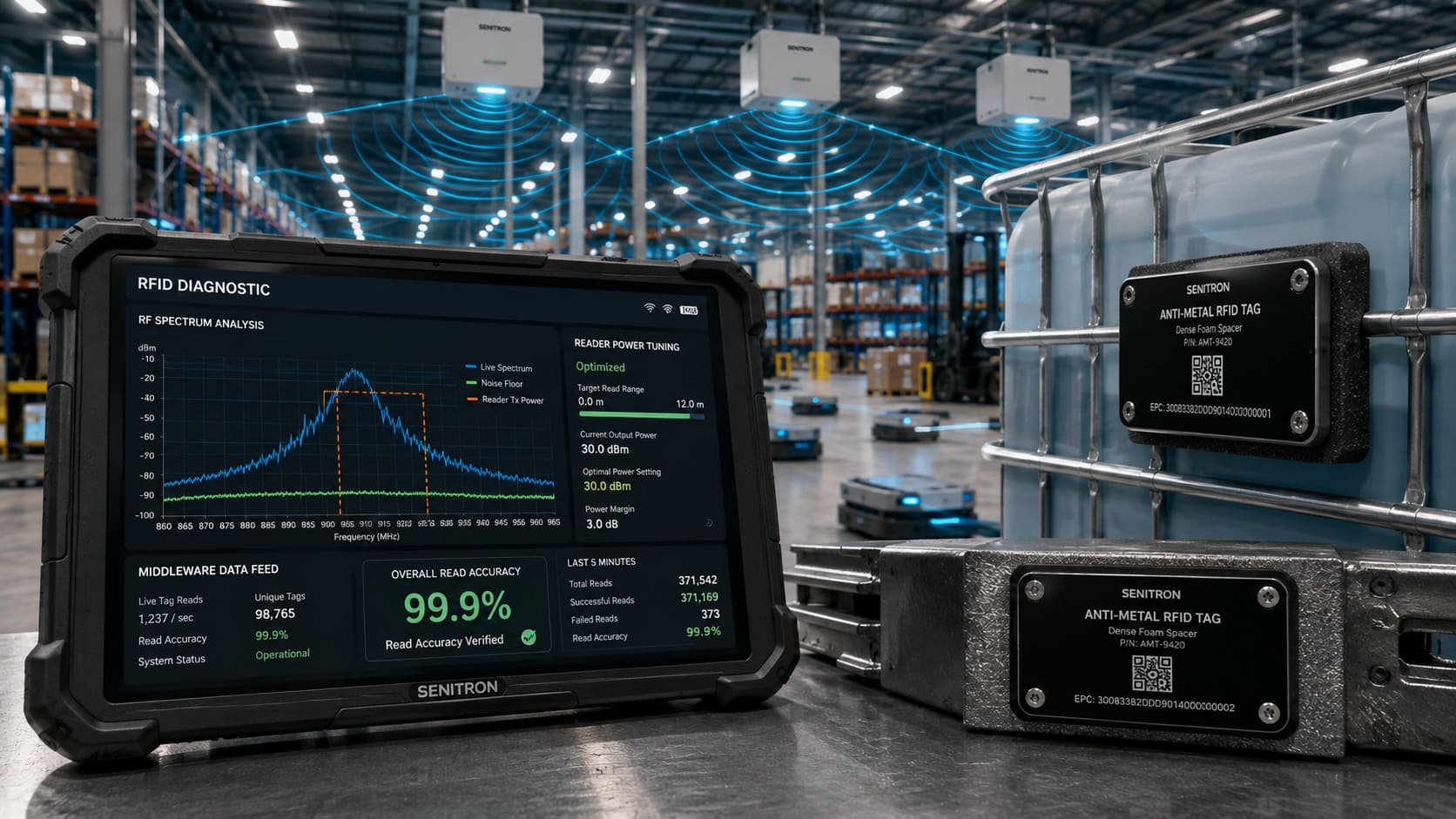
It is, but modern technology has, to a great extent, conquered this. Through specialized on metallic tags or certain flag tags that are applied to liquids, warehouses are able to trace electronics, perfumes, and any other goods they carry with a high level of accuracy.
How long does it take to see an ROI on an RFID returns system?
The return on investment in most warehouses occurs in a period of 12-18 months. This is led by the fact that there is a substantial amount of inventory that was lost, eliminated, and the fact that returned goods can be resold on the “virtual shelf” days before they could be on the manual systems.