In today’s rapidly changing e-commerce landscape, the battle for supremacy is on the warehouse floor. Every millisecond counts. However, in facilities where handwritten bar code records or handwritten data using a clipboard or a handheld electronic data acquisition system are used for manual location tracking, productivity is frequently stuck in a loop of slowdown.
If a picker has to walk around to see if it is in the right bin, or can only hope it is in the aisle of a box in a box (home office), their fulfillment efforts don’t just stall; they come to a standstill.
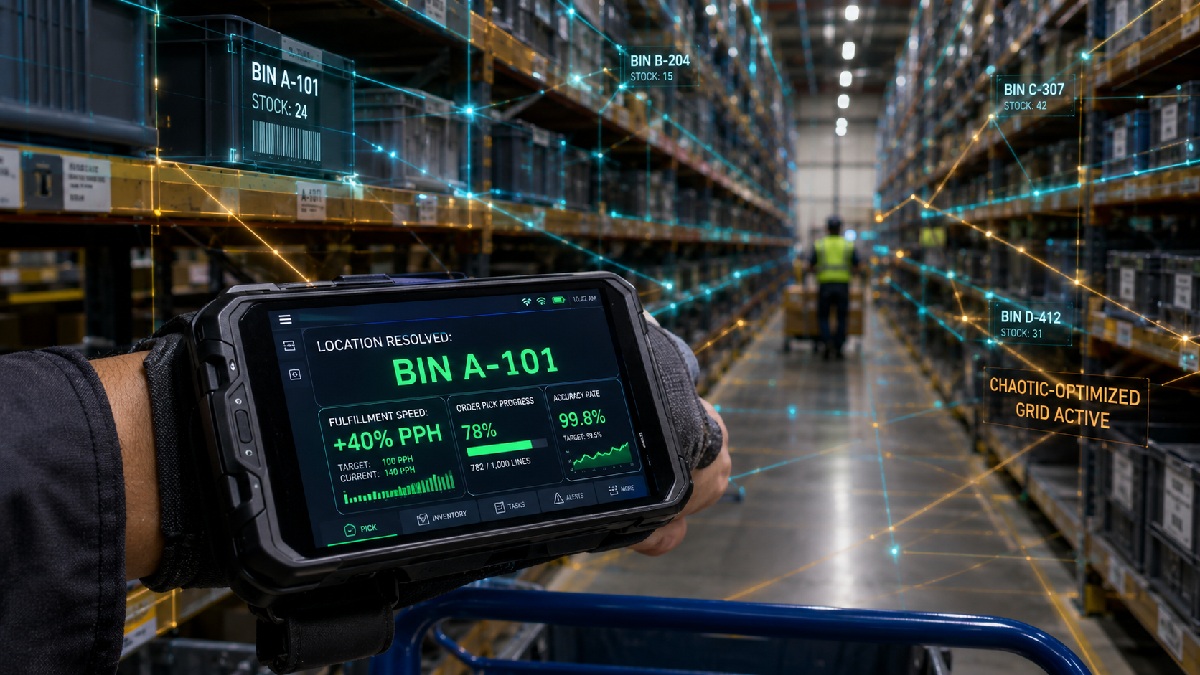
If your warehouse management system (WMS) indicates an article is located “Bin A-101” but the article is not in the bin, then all picking for that order is paused. While this ripple effect might not seem like a problem, it is the silent killer of order fulfillment speed and customer satisfaction.
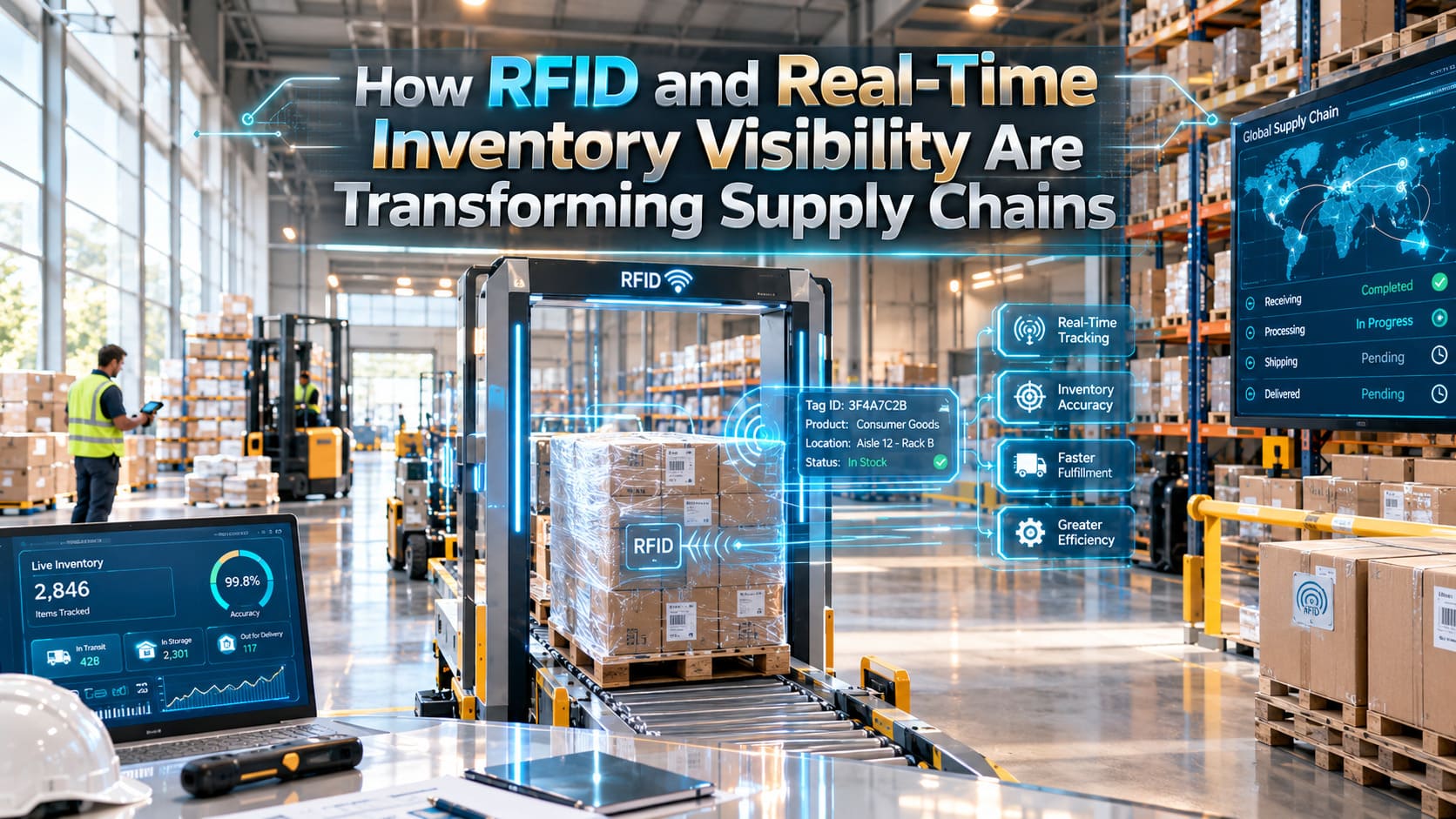
The next version of the chase is being brought to a close by an emerging technology: RFID. The days of manually recording location are coming to an end, as RFID technology creates a real, live “location” environment.
Q1. Why does manual location tracking create a “fulfillment bottleneck”?
Manual orders are tasks in which your human resources need to be the “picker” and “data entry clerk. This leaves three bottlenecks:
- Validation Delay: If a picker has to locate a specific bin, position the scanner, and enter the order in the system, the delay in the picking process is added to the overall cycle. If you have a lot of storage, and the worker has had to tear the label off or put it wrong, then they have wasted time “forcing” the storage system to update.
- Humans make mistakes: The Mis-Pick/Mis-Store Loop. There is no way for the system to know that one of the pickers put an item in the wrong bin. The next person doing the pick up job will spend time looking where the item is not in the bin and in the surrounding bins before notifying a “shortage.
- Warehouse Efficiency: Studies Indicate Search & Rescue Cycle: Up to 30% of a picker’s time could be spent traveling or searching for products. Manual location tracking is a trial-and-error operation in which nothing is known about the destination.
Q2. How does RFID transform “Bin Location” from a guess into a certainty?
In the warehouse, RFID (Radio Frequency Identification) transforms the environment from a place to search for objects to a place where objects tell their location.
Constantly Identifying Their Location: RFID tags constantly transmit their location to a fixed reader mounted on racking uprights or overhead, unlike barcodes, which are a passive identifier, not transmitting any information, until scanned.
Zonal Accuracy: If an item is not in the assigned bin, the RFID system does not assume the item is in the “Picking Zone” or “Aisle 4. Rather than saying “item not found”, the system can direct a worker to the precise area in which the misplaced item was last identified!
Hands Free Verification – RFID means “scan” occurs during the picker’s routine as they walk through the aisle. The WMS will be updated continuously with the system, preventing manual confirmation and allowing the picker to work at their normal speed.
Q3. Does RFID-enabled tracking eliminate the need for organized bin management?
With a manual system, you spend hours on “slotting” optimization! The warehouse then becomes “Chaotic-Optimized” in an RFID system. The system is clever about where each item is “wherever,” so it doesn’t matter for efficiency whether items are put into the “Bin A” or the “Bin B”.
The WMS can offer information on the nearest location where the item is available, and the RFID system will be able to monitor that location almost instantaneously. This makes it possible to pack a full warehouse without losing track of any of the items.
Q4. What is the impact of automated location tracking on order fulfillment speed?
Manual bin chasing to automated RFID tracking brings about measurable improvement in KPIs:
- 20% – 40% Improvement in Picks per Hour (PPH): No stops or scans to design your pick actions out the door.
- Lower “Short-Ship” rates: As a physical item is in stock before the picker pulls it out, you can anticipate delivery to re-route orders, or place one or more replenishments, which significantly reduces “short shippers”.
- Optimized Pathing: RFID information to show the most visited bins. You can re-lot the warehouse using a real-time heat map of your pickers’ actions as opposed to knowing based on guesswork where the “fast-moving” items should be.
Conclusion
The manual bin tracking system is from a bygone era. Eliminating the “chase,” RFID gives your warehouse real-time visibility to allow orders to be completed at the speed of today’s consumer. The pickers’ walking speed should not limit recovery time, but rather data changes.
Learn more: RFID warehouse management system