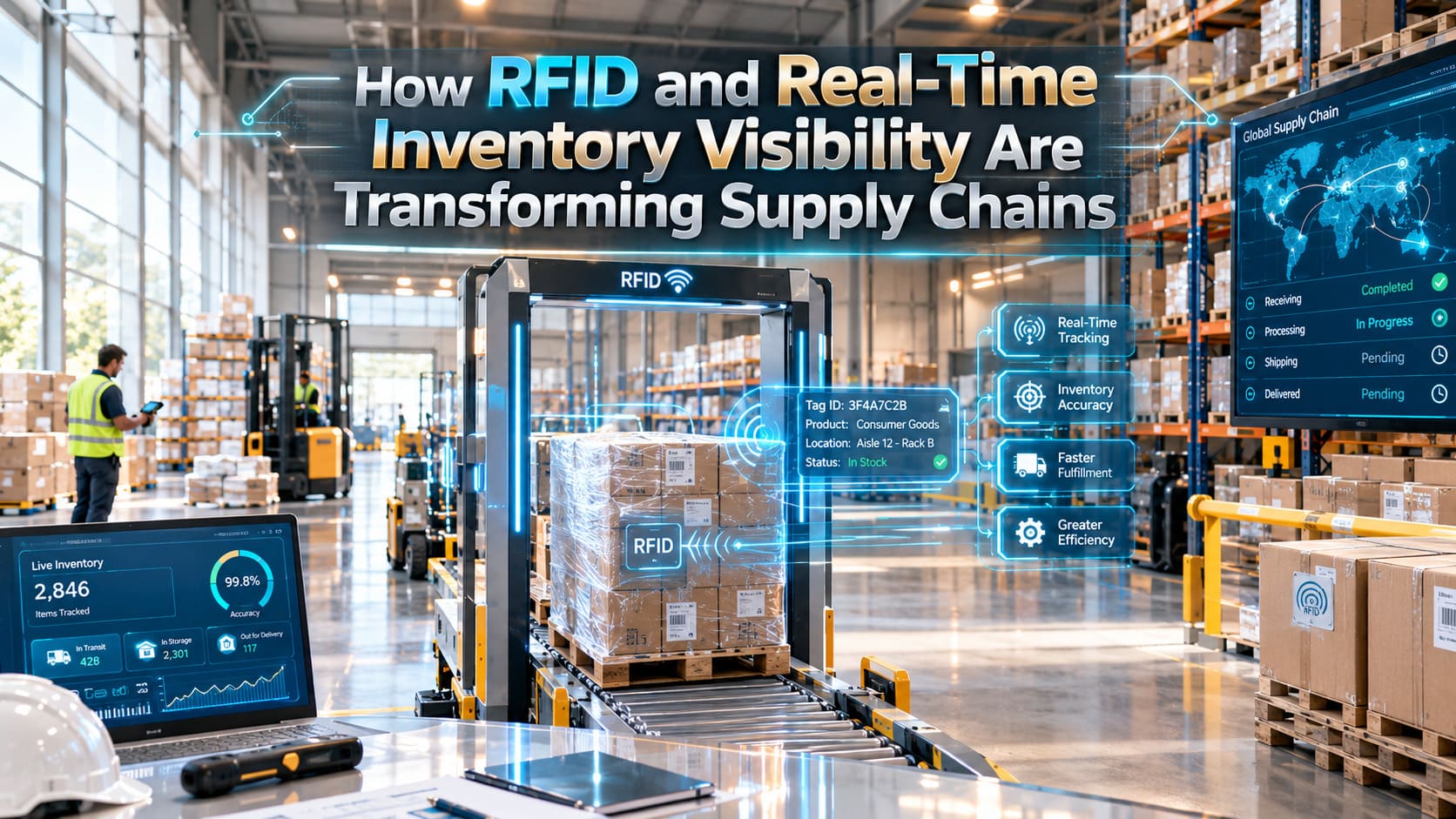
Radio Frequency Identification (RFID) is revolutionizing retail inventory management. Retailers can identify, locate, and track individual products as they travel through the supply chain and store.
Many large retailers have showcased the use of RFID to enhance stock accuracy, stock-out prevention, omnichannel distribution, and loss-prevention initiatives. These lessons are becoming more applicable to smaller retailers who want to modernize their businesses.
Why is RFID Changing the Retail Inventory Landscape?
Typical bar code systems need a product to be scanned one-by-one or need to be in “line of sight”. RFID tags, however, can be read wirelessly and, under certain circumstances and conditions, multiple items can be identified at once.
This offers a number of opportunities:
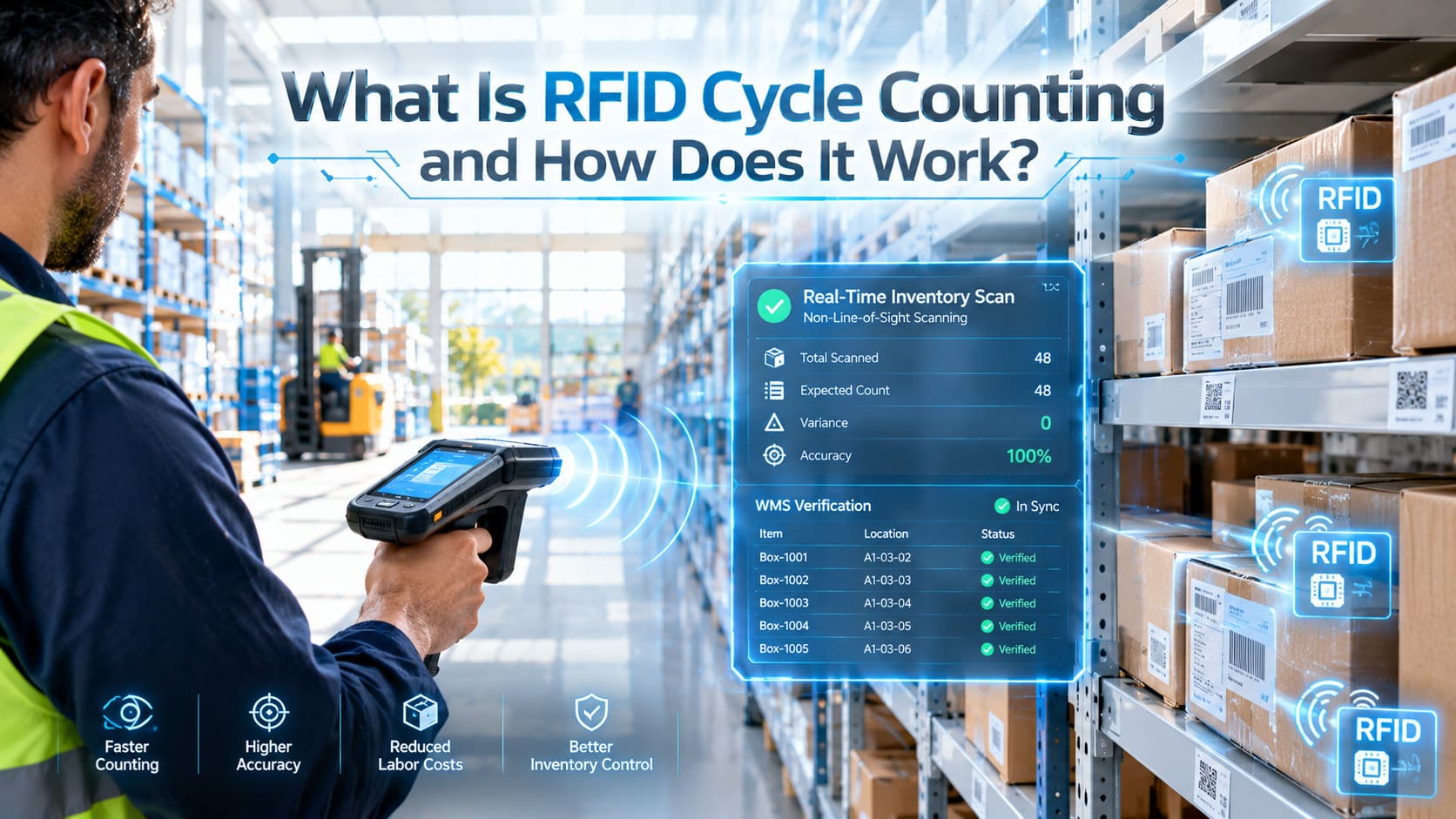
- Quicker inventory counts: Staff can scan many tagged products without having to touch them.
- More accurate inventory: Retailers will have a better understanding of actual in-store inventory.
- Prevented stockouts: With increased visibility, staff can replenish inventory before they have to wait for the shelves to be fully stocked.
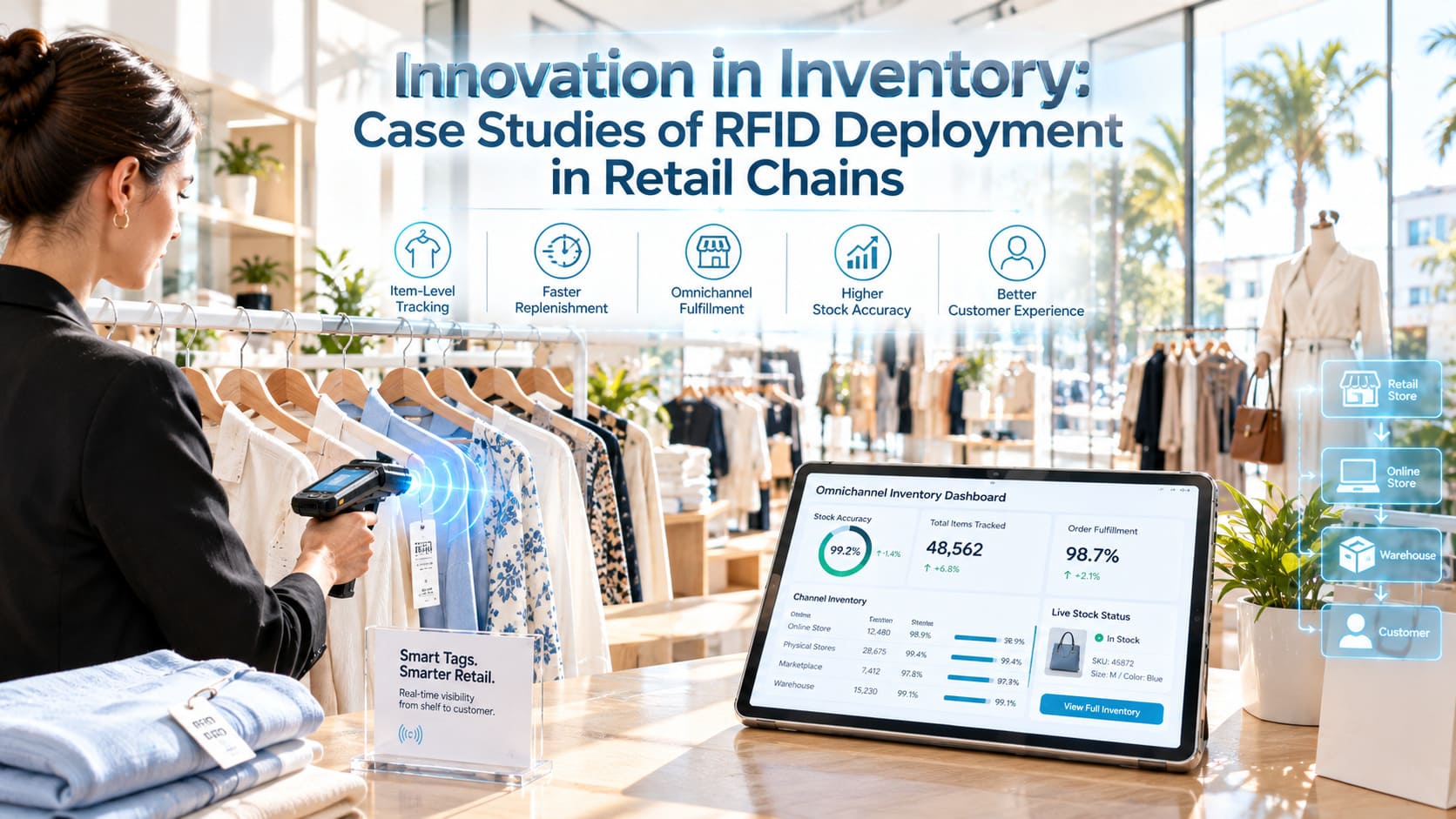
- Better fulfillment: Up-to-date inventory information enables buy online, pick up in store, and ship from store services.
- Reduced workload: Counting may be significantly quicker.
Retailers can know where their product is going in the business improved product visibility.
The most value is derived when the RFID data is linked to inventory management, warehouse management, and point-of-sale (POS) systems.
Case Study 1: Amazon.com and Amazon Go
Walmart has been a big player in the adoption of RFID. The first RFID projects it made were in supply chain visibility and product inventory, where the exact location of products can be valuable to operations, especially for products that are significant to the supply chain.
RFID can help retailers be more certain about what their computer system indicates should be on hand and what is actually there. This difference is important in such a large store with thousands of products in each one.
A minor gain in inventory accuracy can mean a huge impact to a retailer of Walmart’s size. More accurate information benefits the store with better identification of missing items, replenishment, and being able to fill online orders with existing inventory.
The lesson here is that RFID is more valuable when it is used as part of the normal replenishment and fulfillment process and not as its own tracking technology.
Case Study 2: Macy’s and Fashion Retail
Macy’s has been applying RFID extensively in managing their merchandise. The fashion and department-store industry is well-suited for RFID because items are placed in multiple areas on the sales floors, fitting rooms, stock rooms, and more.
If there’s a shirt in the store, it needs to be in plain sight for the apparel retailer. Staff should be aware of whether the appropriate size and color are available and can be sold.
RFID-enabled inventory visibility can help support:
- More frequent cycle counts
- Faster product searches
- Improved replenishment
- Increased size and color choices
- A more accurate electronic stock record.
- Less time spent in stockrooms looking for items.
This is one of the main benefits of RFID; you can impact the customer experience directly by using inventory accuracy.
Case Study 3: Zara and Fast-Fashion Visibility
Inditex’s Zara has been a classic company to focus on technology, which has been used to drive their retail operations. RFID has helped provide item-level inventory visibility throughout its retail system.
Fast fashion is about speed. Speed of movement from distribution centers to stores and stores to customers. A retailer can use RFID to keep track of the merchandise in these phases.
Having more efficient inventory information means that employees won’t need to spend as much time counting the merchandise, which will allow them to spend more time assisting customers and processing reordering.
The main takeaways for the fashion industry are that RFID technology isn’t just for counting inventory; it can be a component of a flexible retail approach.
Past Inventory Counts: Omnichannel Retail and RFID
Today, retailers are more often than not running both a physical and online business. This poses a challenging question: How can the retailer be confident in the data that is provided at the store level?
If an eCommerce system reveals that a certain jacket is available at a nearby store, what might transpire? What if a ecommerce system indicates a specific jacket is available at a shop nearby? The customer can place an order that the store will not be able to fill if the item has been misplaced, sold, or moved without being documented.
One way that RFID helps to minimize these differences is by enhancing the visibility of items.
Accurate RFID data can be used for:
- Purchased on the internet but picked up in the store.
- Ship from store
- Store-to-store transfers
- You can book online, and then try it in the shop.
- Real-time product availability
- More efficient replenishment
Inventory accuracy is thus not only an operational measurement, but a revenue issue, too, for retailers and ecommerce businesses with a multichannel strategy. For retailers and ecommerce businesses with a multichannel approach, inventory accuracy is not only an operational measurement, but a revenue issue, too.
RFID and Retail Shrink
While not necessarily a panacea in combating retail theft, RFID can play a role in loss prevention.
Retailers can use the item-level RFID data together with their point-of-sale data and other security technologies to investigate inventory discrepancies more effectively. It can assist in determining when products are not where they are supposed to be and when the inventory does not match the products.
The best solution is to use RFID in conjunction with:
- Electronic article surveillance
- CCTV
- Point-of-sale analytics
- Exception reporting
- Employee procedures
- Secure merchandise handling
The intent isn’t just to “track thieves” — it’s to really know where inventory goes — and to increase overall control.
Challenges Retailers Must Consider
While its benefits are numerous, there is a need for careful planning to implement RFID.
- Tagging costs: Each product could be tagged with an RFID tag, but the cost of tagging has dropped and varies significantly depending on the type of tags and the number of tags.
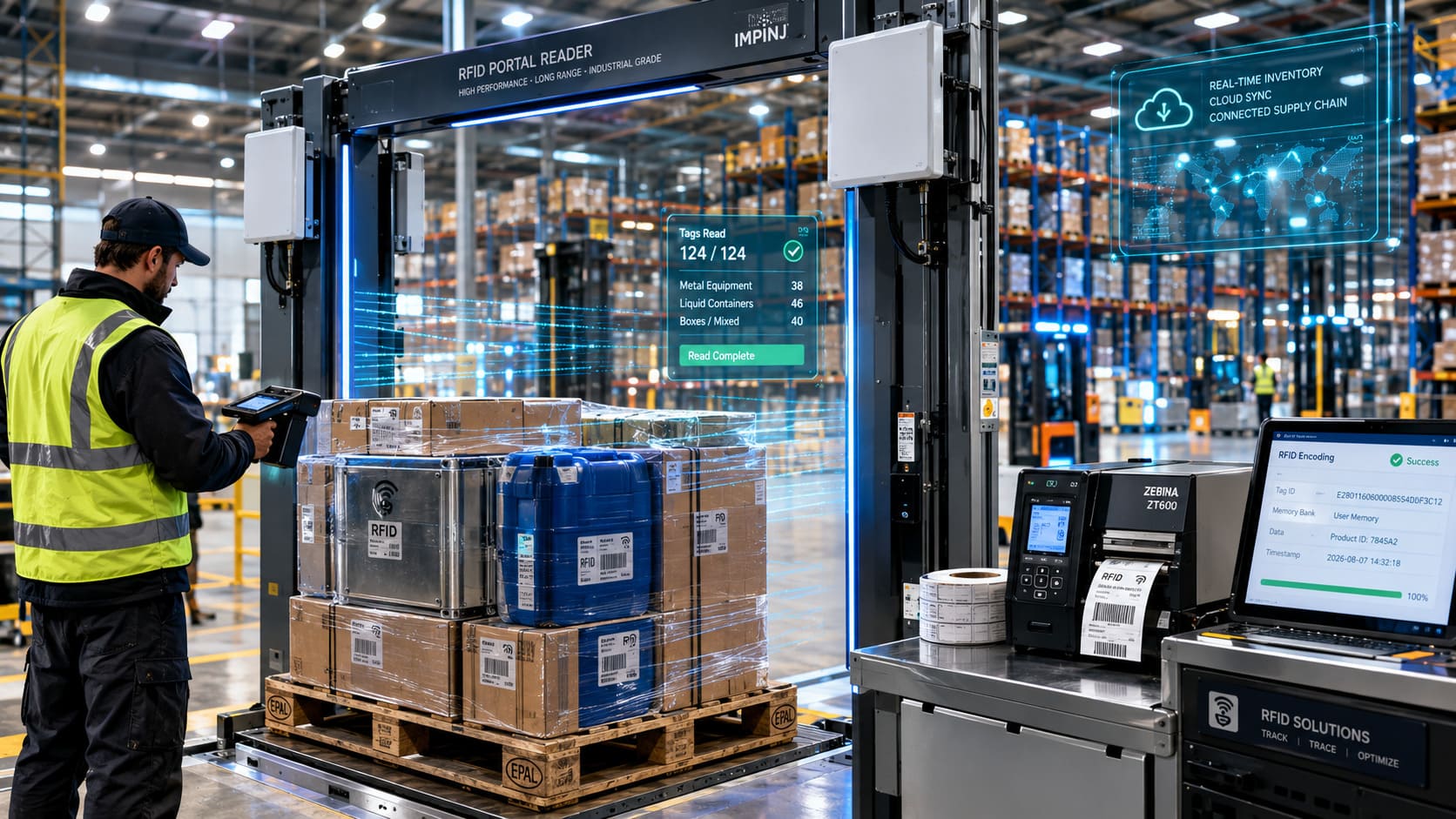
- Metal and liquids: Some materials may affect the performance of RFID. Careful placement of certain tags may be required.
- Infrastructure costs include integration, network connectivity, software, readers, and antennas.
- Processes are the key to good data quality, and RFID won’t fix it. Reliable results can only be achieved when the tags are properly attached and installed in the system.
- Employee adoption: There should be clearly defined procedures and training provided for employees.
- Privacy: Retailers need to have proper policies for dealing with RFID data and customers as needed.
Tips for Successful Deployment
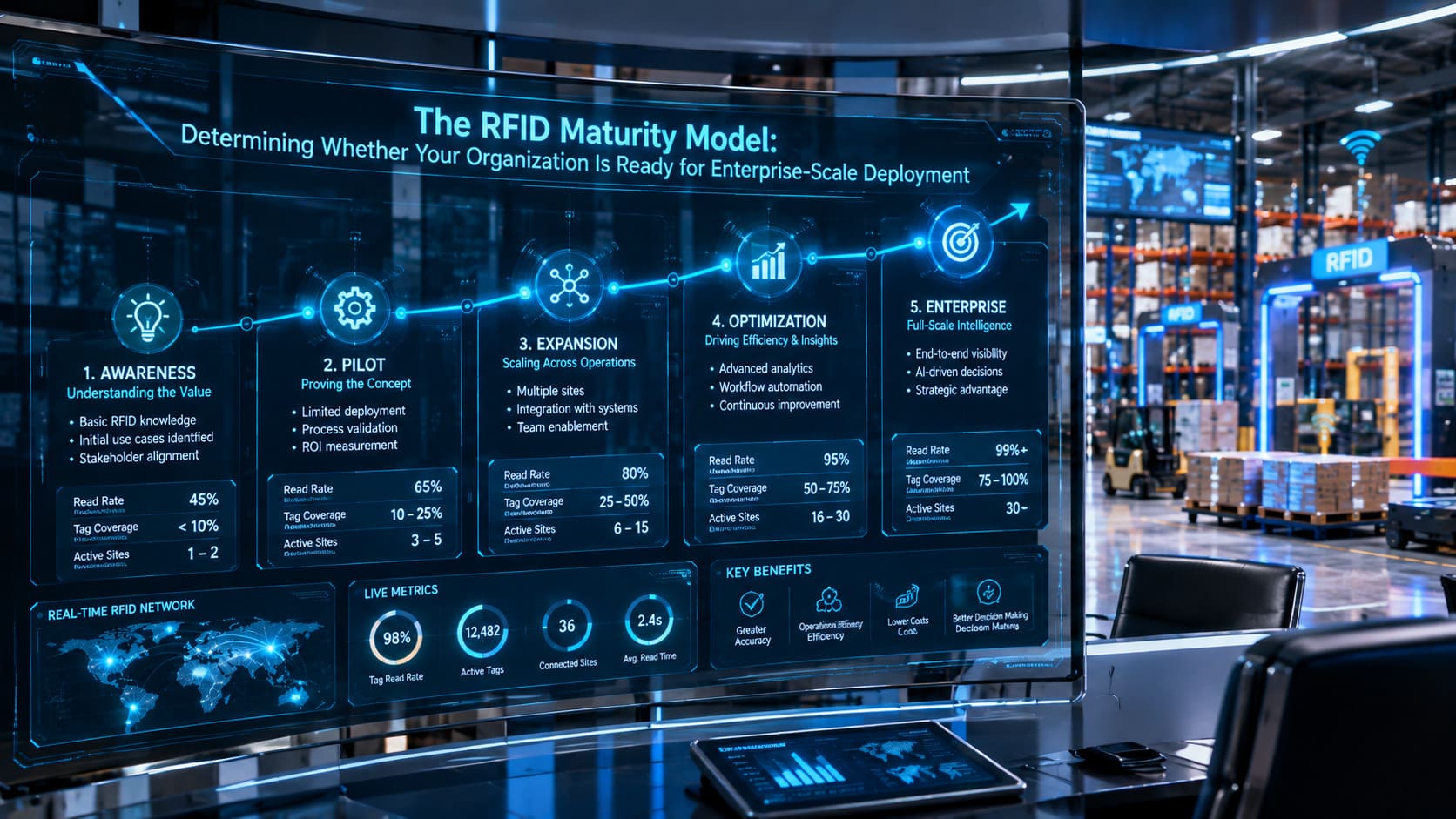
When retailers contemplate RFID, they should not try to change everything at once. The need for a phased approach is typically more manageable.
- Begin with one product category/location.
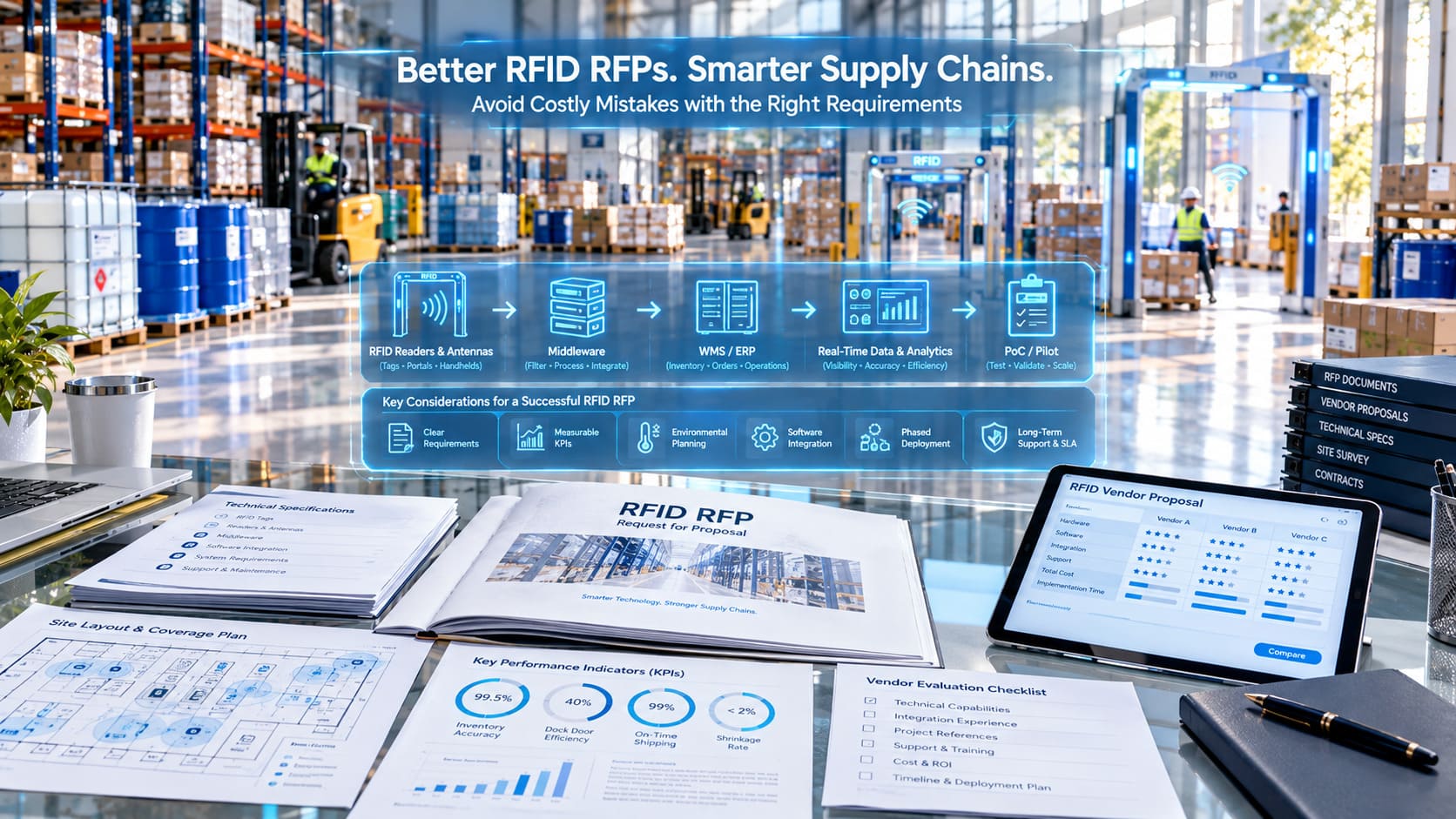
- Identify measurable objectives prior to purchasing equipment.
- Test tags on actual goods, particularly metal- or liquid-loaded goods.
- Prior to and after, inventory accuracy is measured.
- Integrate RFID data with existing retail systems.
- Teach workers what they need to do, not how to operate the equipment.
- Measure ROI based on labor efficiencies, fewer stockouts, improved fulfillment, and fewer inventory discrepancies.
- Only expand once the pilot shows good results.
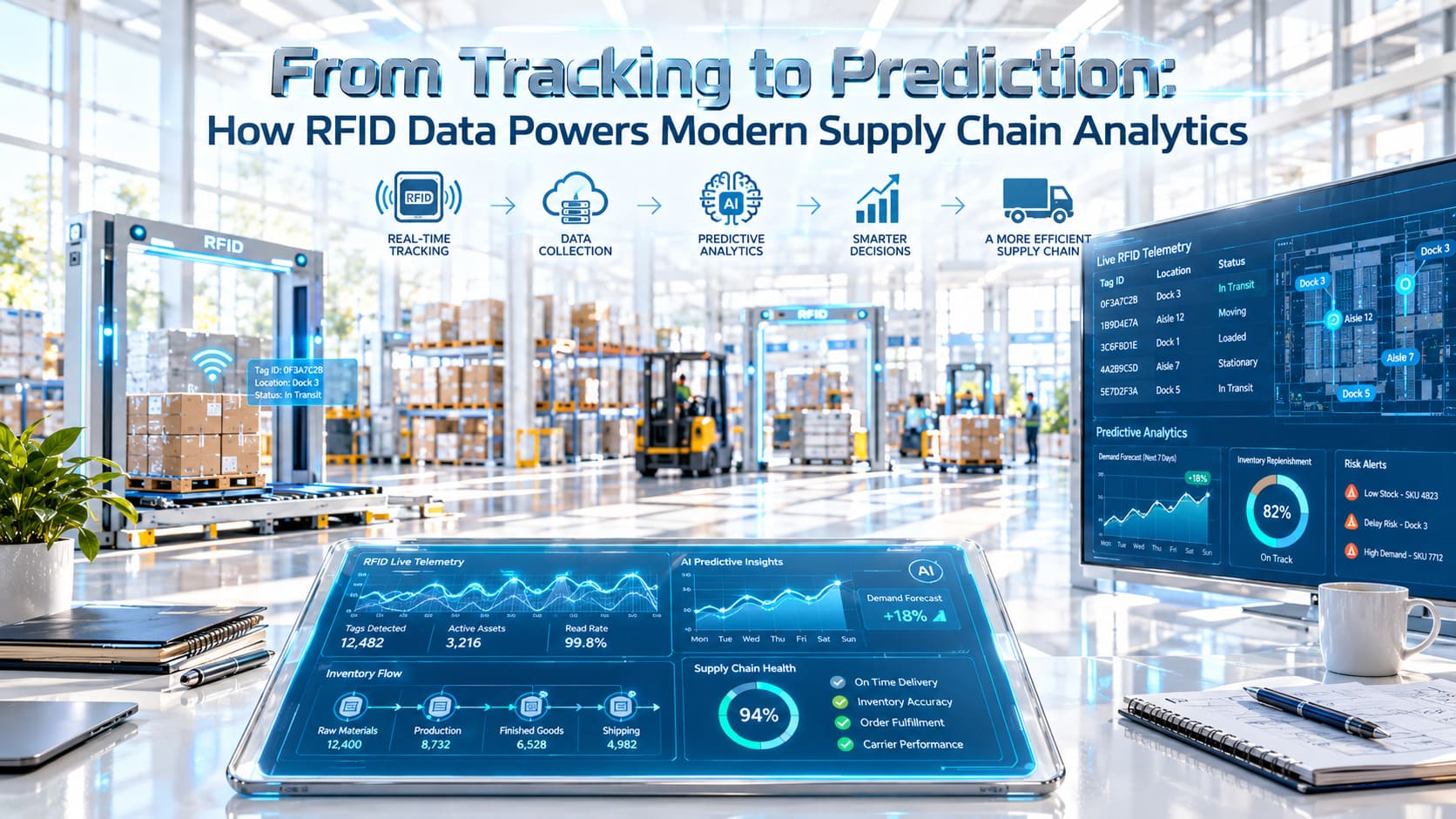
The future for retail RFID is no longer talking about counting inventory in a periodic or cyclic way. But rather, being able to take that data from RFID and augment it with analytics, artificial intelligence, computer vision, and automated replenishment.
And so retailers are beginning to think about RFID in terms of asking questions such as
what’s on the shelf, what’s selling?, what’s misplaced?, what needs to be reordered? Can I actually fulfill this web order from this store?
And so you know, these case studies that you’ve seen, really the innovation is around taking RFID, but the true value is in turning merchandise into information.
And for retailers that are looking to gain that next level of inventory accuracy and omnichannel performance, RFID can give them the insight that they need to transform their inventory management into something more visible, more accurate, more responsive.
FAQ
How to improve RFID retail management service?
RFID enables item-level visibility and facilitates retailers’ ability to read multiple items at once without scanning each tag. By doing so, the technology helps companies improve inventory accuracy, speed up cycle counts, reduce stockouts, and enhance employees’ capability to find out-of-place items.
What are the retail chains that have successfully installed RFID?
Such retail giants as Walmart, Macy’s, and Zara are already using RFID to boost their merch visibility and management, so that they can take care of replenishment and omnichannel orders. They have seen a significant improvement in their inventory accuracy during the rapid execution of cycle counts, which has also benefited their customers by reducing the number of out-of-stock items. In addition, RFID helped retailers decrease the time spent searching for misplaced merchandise.
What should retailers consider before RFID installation?
When considering implementing the technology, retail organizations should assess tagging costs, hardware infrastructure, product composition, software applications, employee training, and data analytics. It is essential to start with a small-scale test, set clear expectations, and measure the achieved benefits, such as increased inventory visibility, employee productivity, and reduced stockouts, in terms of time and cost to develop an RFID implementation plan.