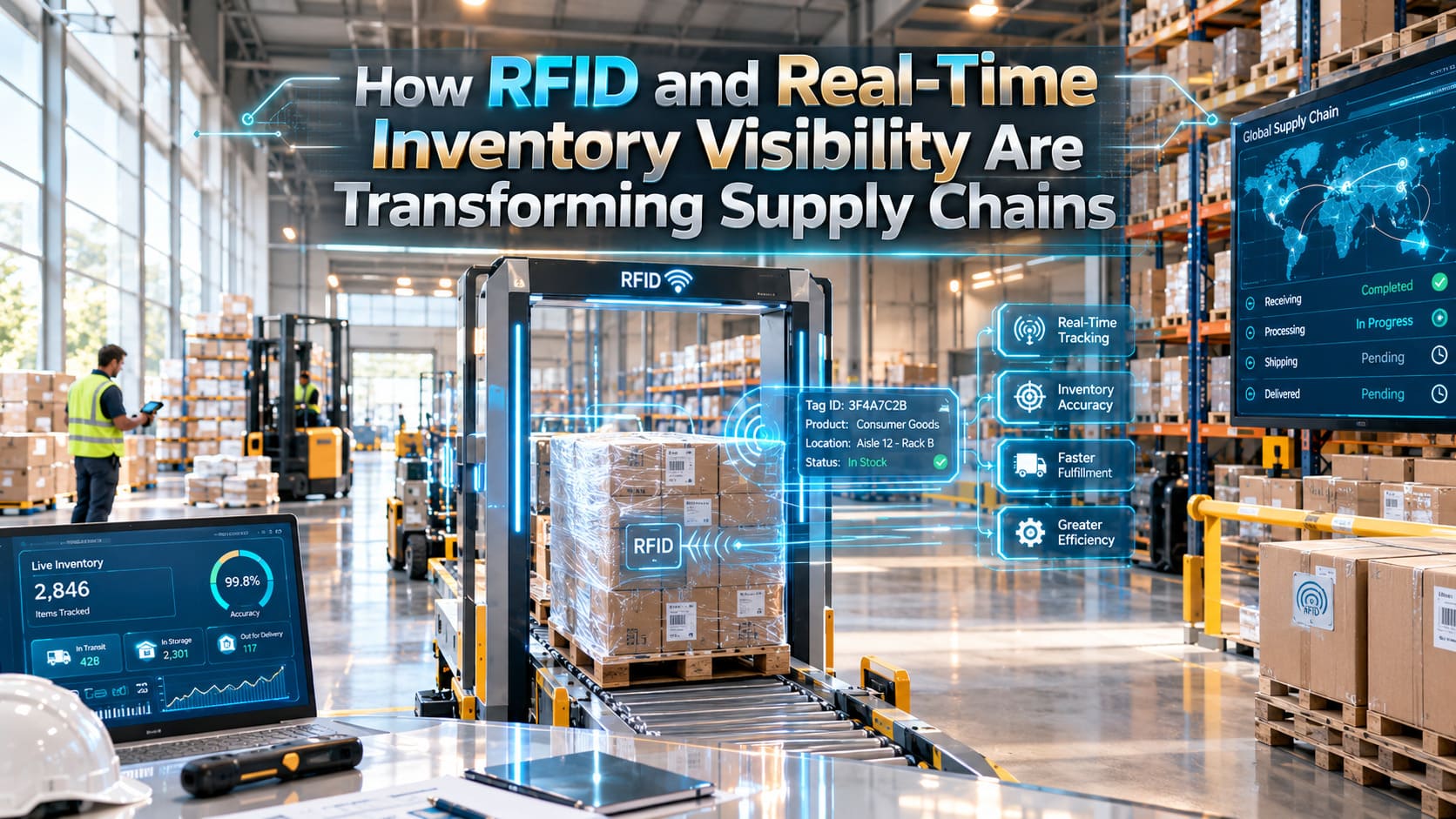
Retail has become a business where speed, accuracy, and convenience are the keys to success. The traditional barcode has been used in businesses for years and is well proven but also has its problems. Each item’s scan is necessary, the stock counting process is lengthy, and stock discrepancies can lead to confusion and frustration for both retailers and customers.
New to the topic? Read our complete guide to retail RFID: how it works, what it costs, POS and ERP integration, and how to roll it out store by store.
That is why Radio-Frequency Identification (RFID) has emerged as one of the most important technologies of the e-retail era. Giant stores such as Walmart and Target have been quick to embrace the technology, leading suppliers to do the same as they seek to gain more insightful data on their inventories for improved efficiency. In addition to inventory, RFID is creating smart fitting rooms, frictionless checkout, and customized shopping experiences that are revolutionizing customer expectations.
Why Retail is moving beyond Barcodes?
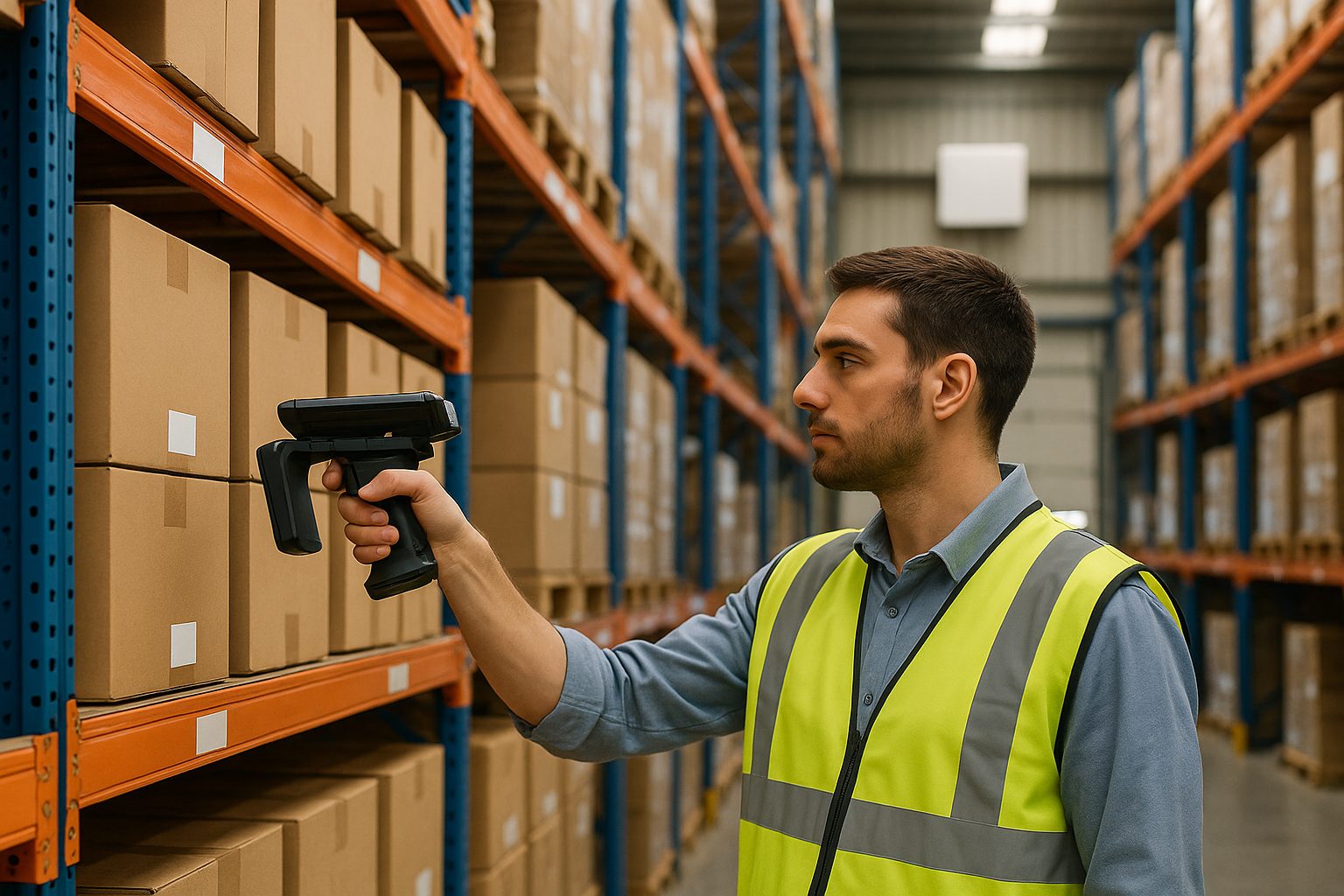
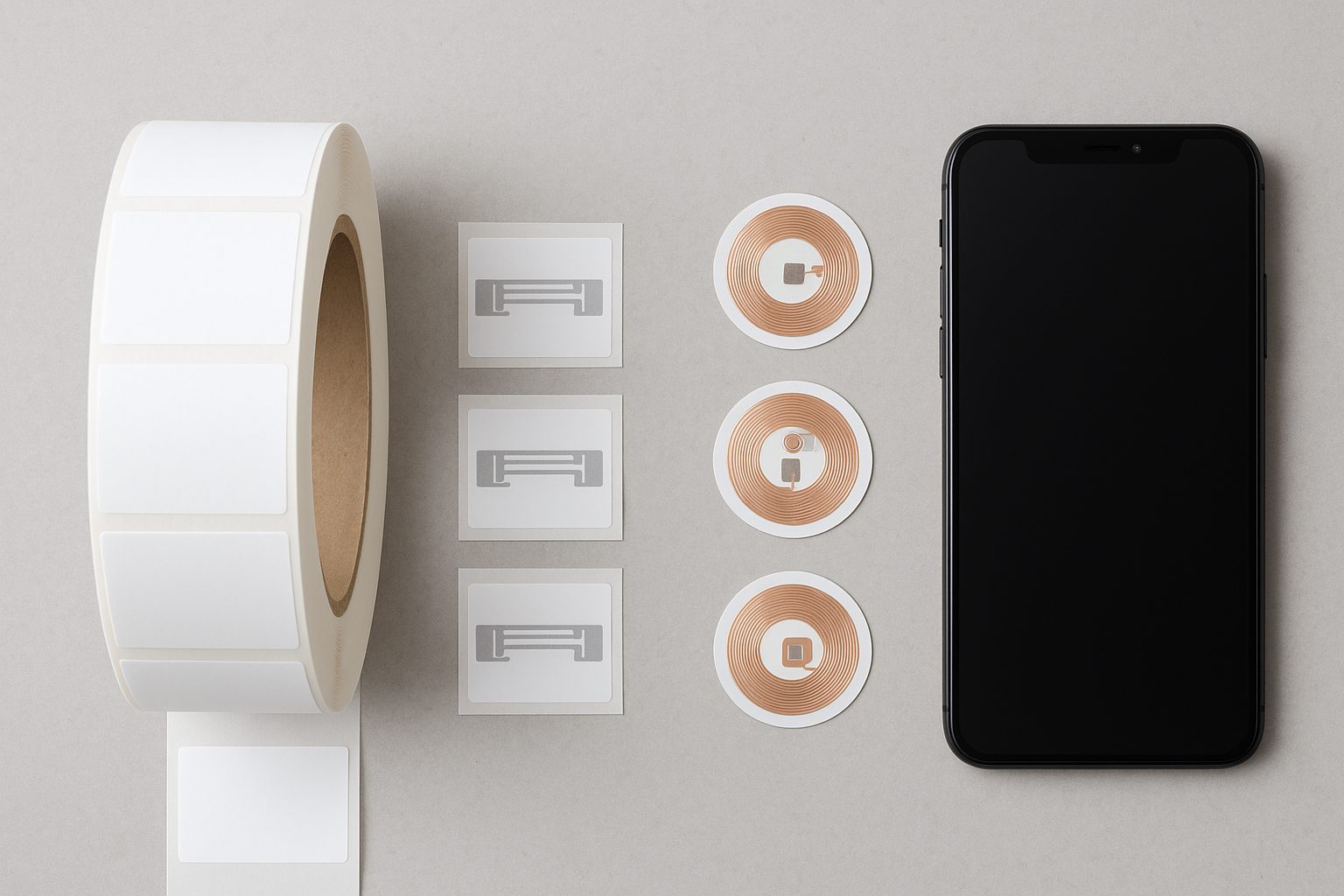
A barcode contains information that is only accessible in a one-on-one manner, requiring a direct line of sight to read the barcode. RFID, however, works on the principle of radio waves and can identify multiple tagged products without necessarily being able to see them.
The difference brings huge benefits to retailers:
- Hundreds of products can be scanned in seconds, and done in bulk.
- Faster inventory audits
- Improved stock accuracy
- Reduced labor costs
- Improved visibility throughout stores and warehouses.
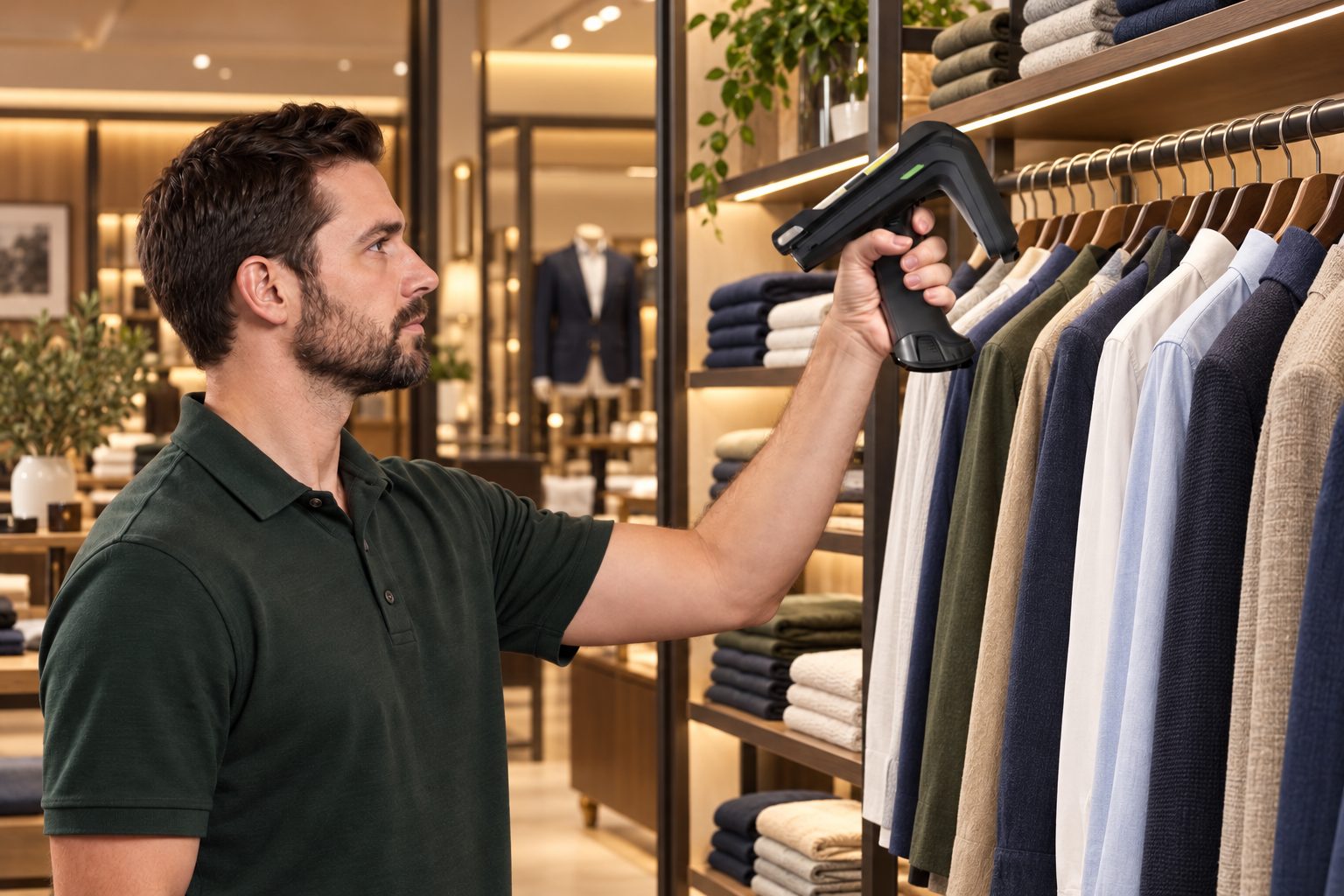
RFID readers can inventory shelves in a fraction of the time compared to an employee who would manually check shelves for hours, and with greater accuracy.
The RFID Mandate from the Big Boys
Large retailers have been providing more and more incentives or mandates for suppliers to add RFID tags to specific product categories. They want to achieve a simple goal: real-time visibility across the supply chain.
Using RFID-tagged merchandise, retailers can be able to determine:
- What is available in the warehouse?
- The options that are on offer in the store.
- What needs to be replaced?
- Which one of the ships has arrived?
- Which products have been sold
Suppliers are increasingly finding that RFID is no longer a competitive advantage, but a necessity for business. Adopting the technology can lead to smoother logistics and better relationships with key retail partners for companies.
The transformation of 65% Inventory Accuracy to almost perfect Inventory Visibility
Conventional inventory systems frequently have trouble maintaining accurate stock records, as products can be misplaced, inventory changes take place later, or errors may occur.
By automatically gathering and continuously monitoring product information, RFID can significantly boost inventory accuracy.
Benefits include:
- Fewer out-of-stock situations
- Reduced overstocking
- Better demand forecasting
- Improved replenishment planning
- Real-time inventory availability, with greater accuracy, online.
Online Retailers should never lie about stock; when customers see it is in stock, it definitely must be. With RFID, retailers can meet this expectation and minimize canceled orders and let down customers.
How to Avoid Out-of-Stock Issues in Peak Periods?
Retail operations are under a lot of stress during holiday shopping, promotions, and seasonal sales.
If you don’t have instant access to inventory data, products can be sold out before you know it.
RFID can help retailers to:
- Catch low inventory right away
- Replenish shelves faster
- Conduct inventory balancing between stores.
- Improve omnichannel fulfillment
- Support Buy Online Pick Up In Store (BOPIS)
This forward-thinking stock control not only optimizes selling potential, but also boosts customer satisfaction during peak shopping seasons.
The Rise of RFID-Powered Smart Fitting Rooms
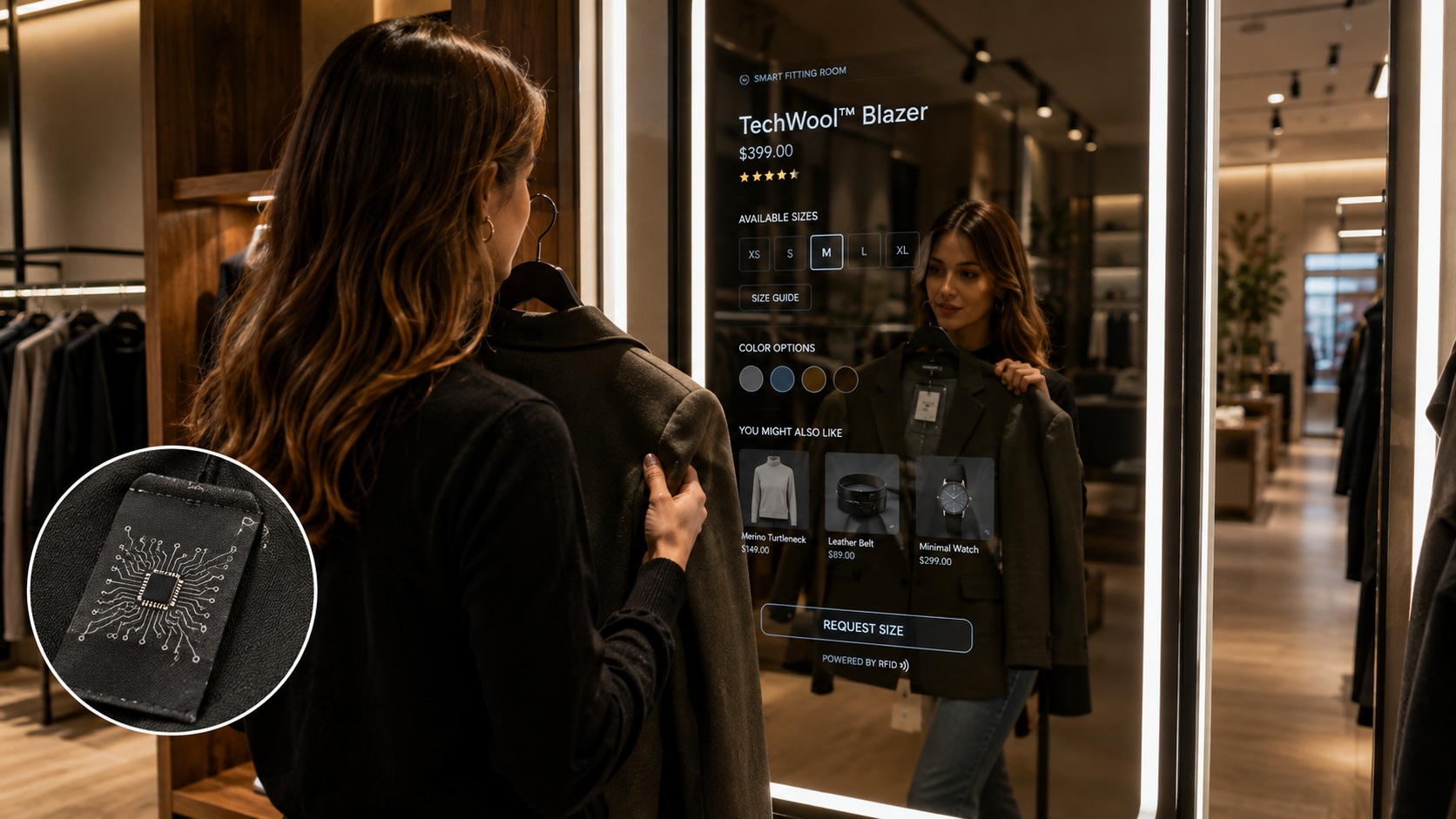
The smart fitting room is a highly impressive use of RFID.
In a fitting room, shoppers enter the room with their RFID-tagged clothes, which are automatically recognized by smart mirrors.
These displays are interactive and can:
- Display the range of colors and sizes
- Recommend complementary products
- Display styling suggestions
- Allow customers to request another size without leaving the fitting room
Customers don’t need to look for associates at the store; they simply get a better, more individualized shopping experience.
For retailers, these suggestions can actually add value to their average basket, as a result of the suitable cross-selling opportunities.
Frictionless Checkout is Now a Reality
Today’s customers demand speedy and convenient shopping.
In the retail sector, the use of RFID is making checkout faster because of automated payment systems.
Unlike scanning each product, RFID readers determine every tagged product by scanning simultaneously.
The result includes:
- Shorter checkout lines
- Faster transactions
- Reduced labor requirements
- Improved customer convenience
In tandem with AI and computer vision, RFID is helping to enable grab-and-go retail models, in which an AI system automatically processes the payment upon picking up a product.
Retail Shrink is a Problem that RFID Can Help Prevent
Retail shrinkage, defined as a loss of money due to theft, fraud, and inventory mistakes, can cost businesses billions of dollars per year.
RFID offers enhanced visibility of items across their lifecycle.
Retailers can easily recognize:
- Missing merchandise
- Unauthorized product movement
- Inventory discrepancies
- Suspicious stock patterns
Unlike hard-to-monitor security solutions, RFID makes loss prevention easier, without disrupting the customer experience.
Making Better Decisions with Better Data
Each scan of the RFID yields important operational information.
Retailers can analyze:
- Product movement
- Shelf availability
- Customer purchasing trends
- Replenishment speed
- Store performance
These insights help forecast, make smarter merchandising decisions, and optimize inventory planning.
With the constant advancements of AI, the integration of AI data with RFID data will further enhance the predictability and automation of retail operations.
Tips for Businesses That Want to Use RFID Tech
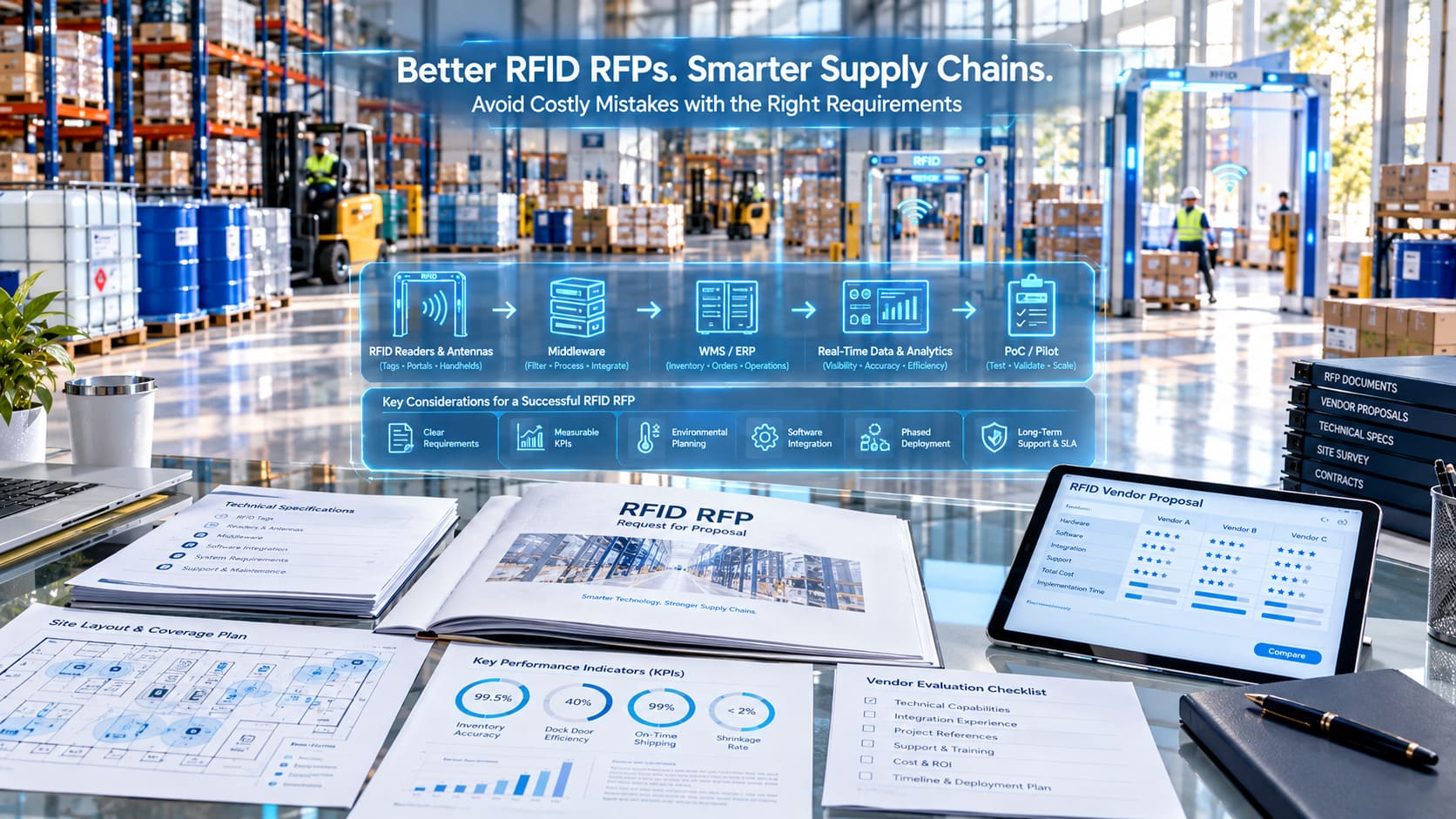
There are a number of best practices that organizations should consider in order to increase the likelihood of an RFID implementation’s success:
- Don’t expand the product line until you have high-value or quick-moving products.
- Use RFID tags suited to your products, particularly for liquids, metals, or specialty products.
- Completely train employees to ensure maximum adoption and no disruption of operations.
- Connect RFID with ERP & inventory system for real-time reporting.
- Track and report on inventory accuracy, stocks on hand, and labor and sales efficiencies.
- Collaborate closely with supply chain partners to build consistency across the supply chain in tagging standards.
The Future of RFID in Retail
RFID (radio-frequency identification) is set to undergo a revolution this year, going well beyond its original uses as a mere inventory-control device and into the realm of smart retailing and logistics, as well as personalizing the customer experience.
Firms that act now can position themselves as thought leaders in an era in which the need for customers to come to stores to see what is available will diminish, checkout lines will shrink, and individual consumers can be offered a far more tailored shopping experience than is possible today.
The retail industry is quickly moving away from the “barcode system.” RFID provides faster inventory management, higher operational accuracy, better loss prevention, and innovative shopping experiences, both for the businesses and the consumers.
FAQ
What are the reasons behind replacing barcodes with RFID tech?
RFID is important because it allows for scanning multiple items at once while not having a direct line of sight, which helps improve inventory, decrease time spent doing inventory, save jobs, and keep shelves stocked.
How can RFID-powered smart fitting rooms improve your shopping experience?
Smart fitting rooms can sense RFID-tagged items and can show the available sizes, colors, and styling recommendations. Some smart fitting rooms offer the capability to request assistance or alternate sizes.
Is RFID beneficial for large retail chains?
No. Small and medium-sized retailers can benefit from the application of RFID since it helps optimize inventory, reduce shrinkage, prevent losses, and obtain the necessary data about the goods in real-time to make the right decisions and be more competitive.