With all the action taking place across many channels and new supply chains, blind spots are going to cost you money. The “invisible inventory” trap happens when your product is physically in your warehouse, distribution center, or retail back room. Still, your Warehouse Management System (WMS) or Enterprise Resource Planning (ERP) software states that the product is out of stock.
The customer tries to purchase the product, and your system refuses to sell it. But these differences don’t stem from a lack of discipline among staff or chaos during peak seasons – it’s more often the fundamental technology that the business is using: manual barcoding.
Let’s take a deeper look at how an old barcode system can cause your inventory to become invisible, how this inventory loss impacts your business, and how you can recoup those lost earnings with Radio-Frequency Identification (RFID).
1: What exactly is “invisible inventory,” and how does it happen in a warehouse?
One gap in the inventory that costs money is invisible inventory. This happens when stock is lost, recorded in the wrong way, or when the system is not updated accordingly.
This is typically caused by a flaw in the scanners, known as “scan leakage”. Workers may not perform a scan because they are trying to get on with the job, scan the wrong barcode label, or forget to change a bin location when physically moving the pallet in high-velocity areas.
If an item is moved and the WMS system has not updated the digital ledger, then the truth is no longer in the system. The product is almost undetectable to the system. Although it’s on a shelf just a few aisles away, it can’t be picked, packed, or sold.
This is particularly fatal for omnichannel approaches such as ‘Buy Online, Pick Up In Store’ (BOPIS), which are based on up-to-the-minute local stock availability.
2: Why is manual barcoding the primary root cause of this trap?
Barcoding is based on an event that occurs at a single point in time. It assures that a successful scan occurred at a certain time, but it won’t guarantee that the item was still there and still in that condition 5 minutes later.
Barcoding is actually the bottleneck, because of its physical constraints. Barcode scanners have to have a straight line of sight; the tag must be oriented correctly and must be scanned one by one, one item at a time, one operator at a time.
When you have a high-throughput loading dock or a busy operation, this process of finding, orienting, and scanning every barcode is a huge operation slowdown. As the volume of the business grows, so does the scan debt.
People are only human; they make mistakes or simply ignore the system for various reasons in order to meet quotas. The industry standards for manual inventory systems range from 63% to 75% accuracy.
Additionally, each scan is subject to an ongoing labor tax; if it takes 10 seconds for a worker to find and scan a barcode, that single data capture costs time and increases an operation’s costs.
3: How does invisible inventory directly lead to lost sales and decreased revenue?
This domino effect is a negative domino effect affecting the bottom line due to invisible inventory. The first impact is false stockouts: An Internet buyer attempts to buy a product, but your eCommerce system doesn’t have the product available because it’s not in its stock. The sale is immediately abandoned.
In addition, inaccurate fulfillment rates result from invisible inventory. When a customer places an order and the warehouse team doesn’t have the product, it delays the order, cancels it, or it is partially fulfilled due to the lack of the product, seriously affecting customer trust and retention.
In order to make up for these constant errors, businesses purchase extra stock “just in case” it is needed. This surplus of stock represents dead working capital that consumes valuable warehouse spaces and ultimately becomes dead stock that requires a massive discount or write-off.
4: How does RFID technology eliminate the invisible inventory problem?
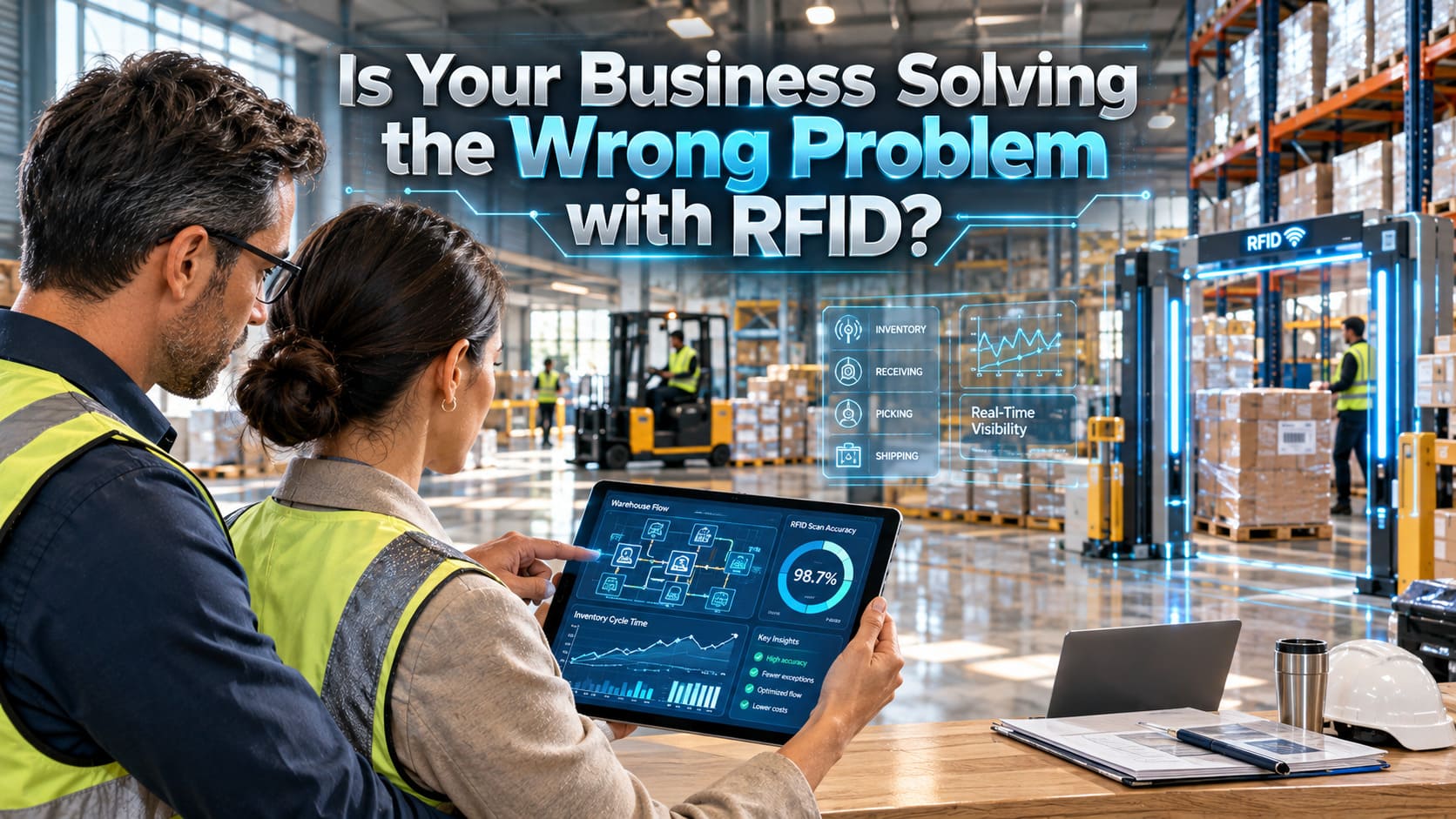
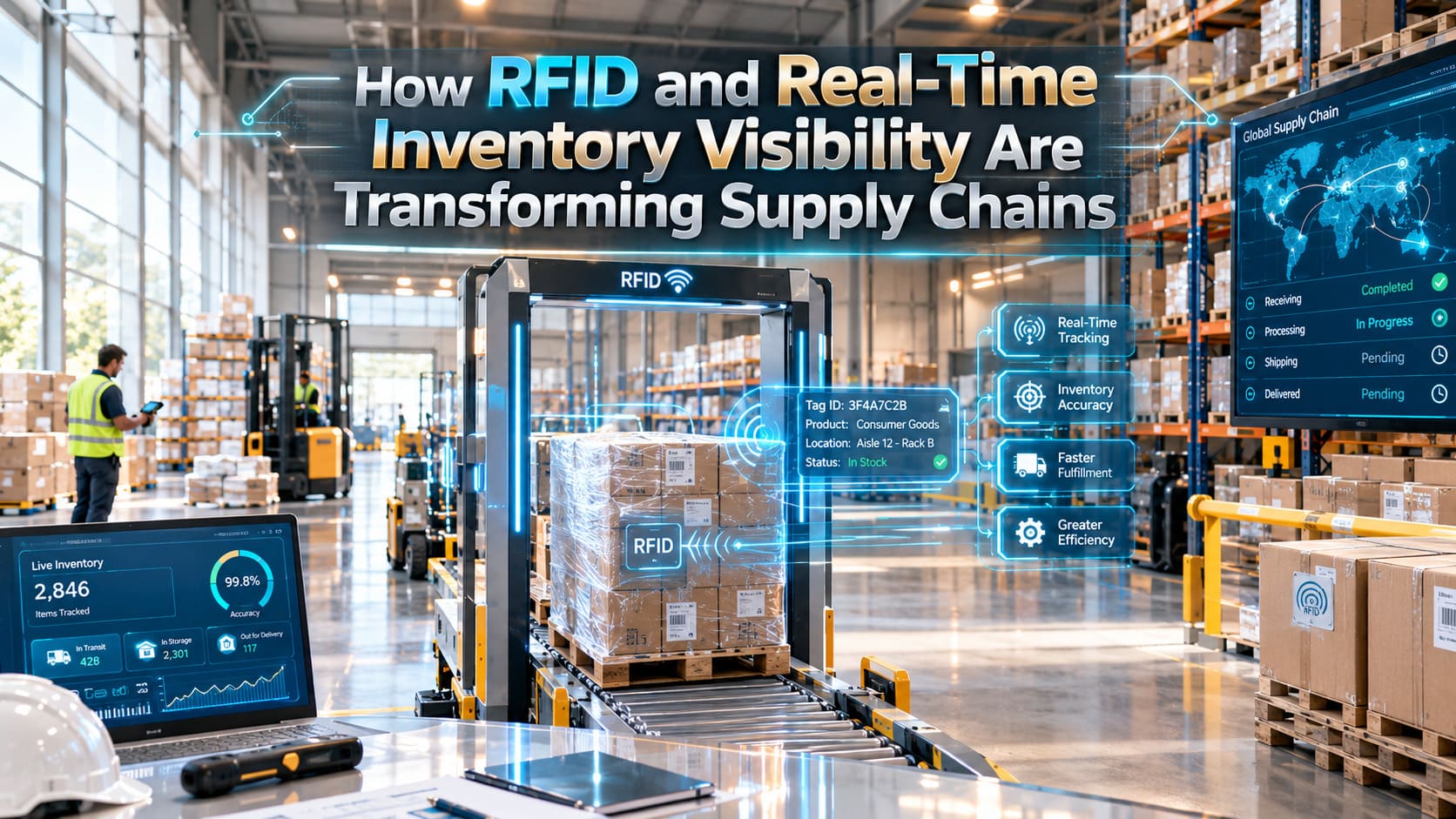
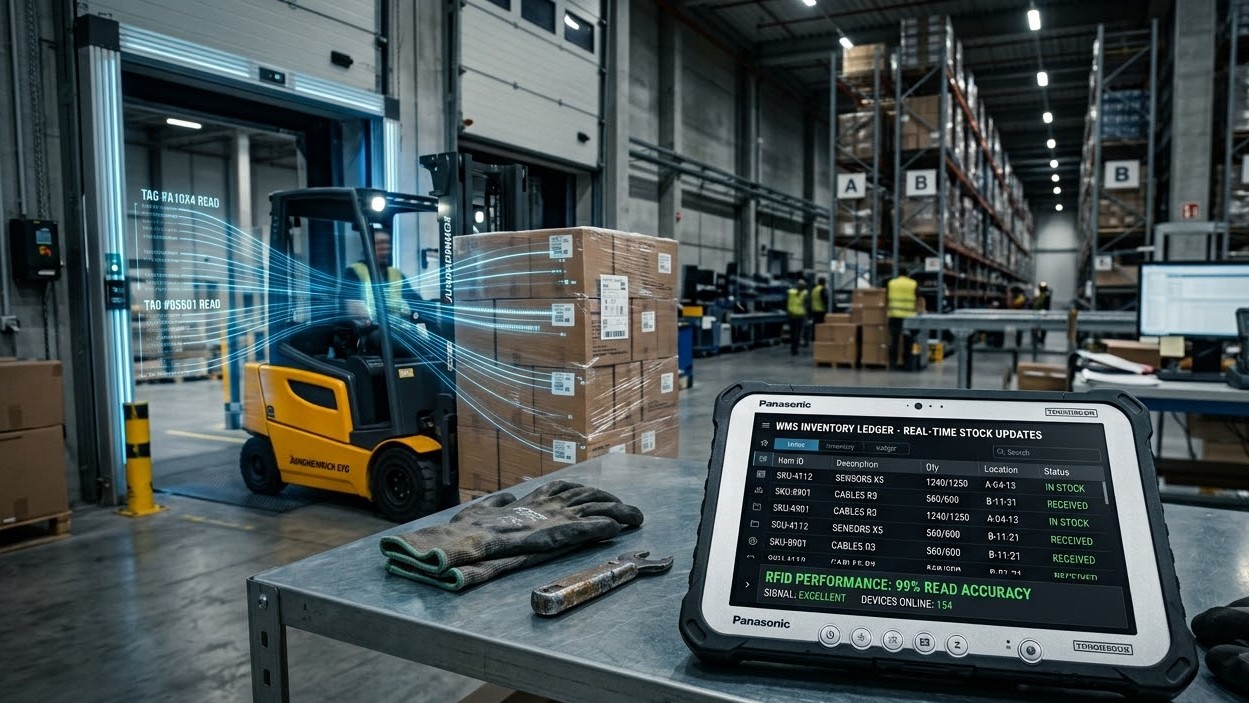
A barcode states that a scan has taken place, and an RFID tag states that there has been actual inventory movement. RFID technology is able to read the data from hundreds of tags at the same time without any direct line of sight.
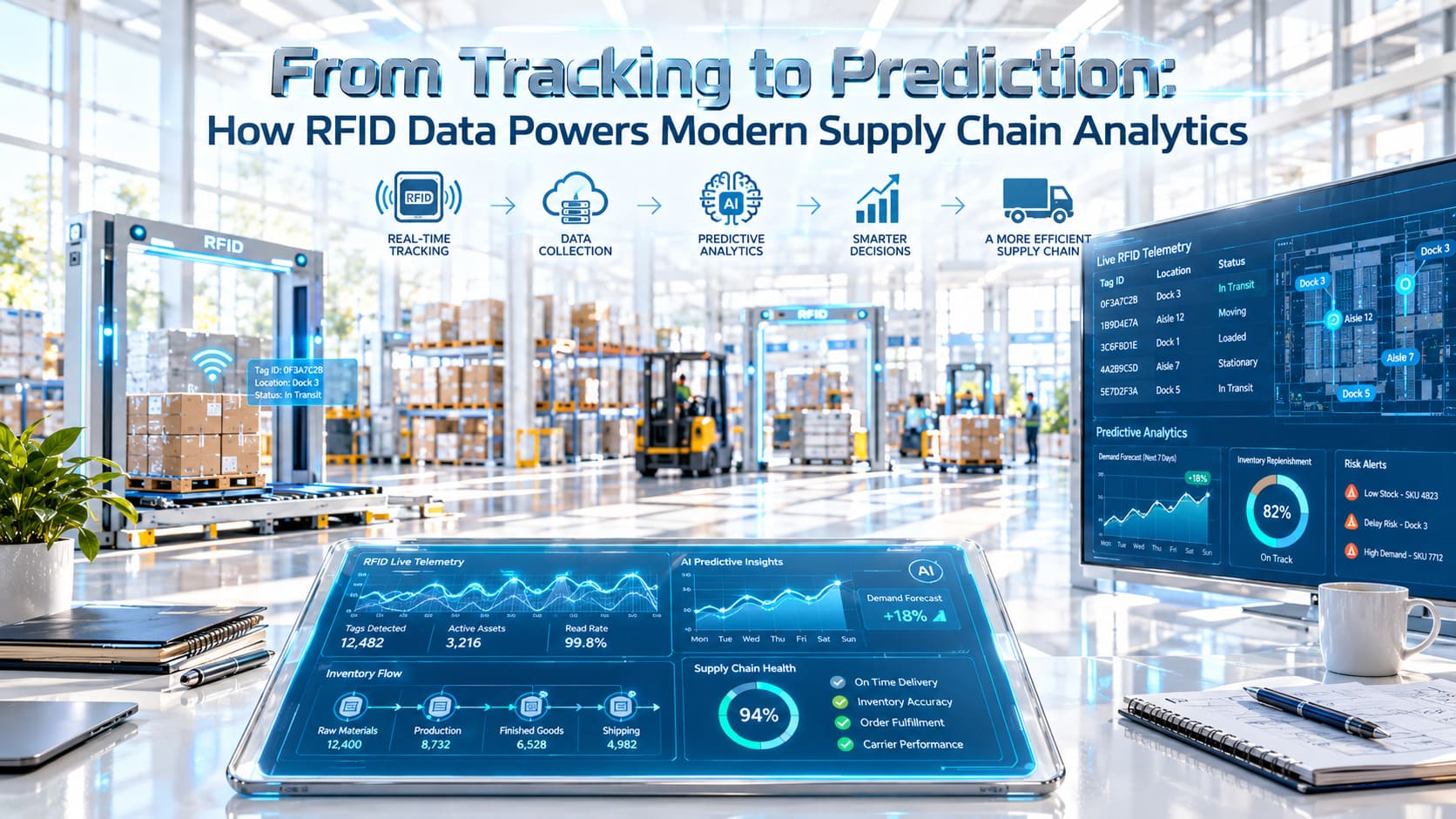
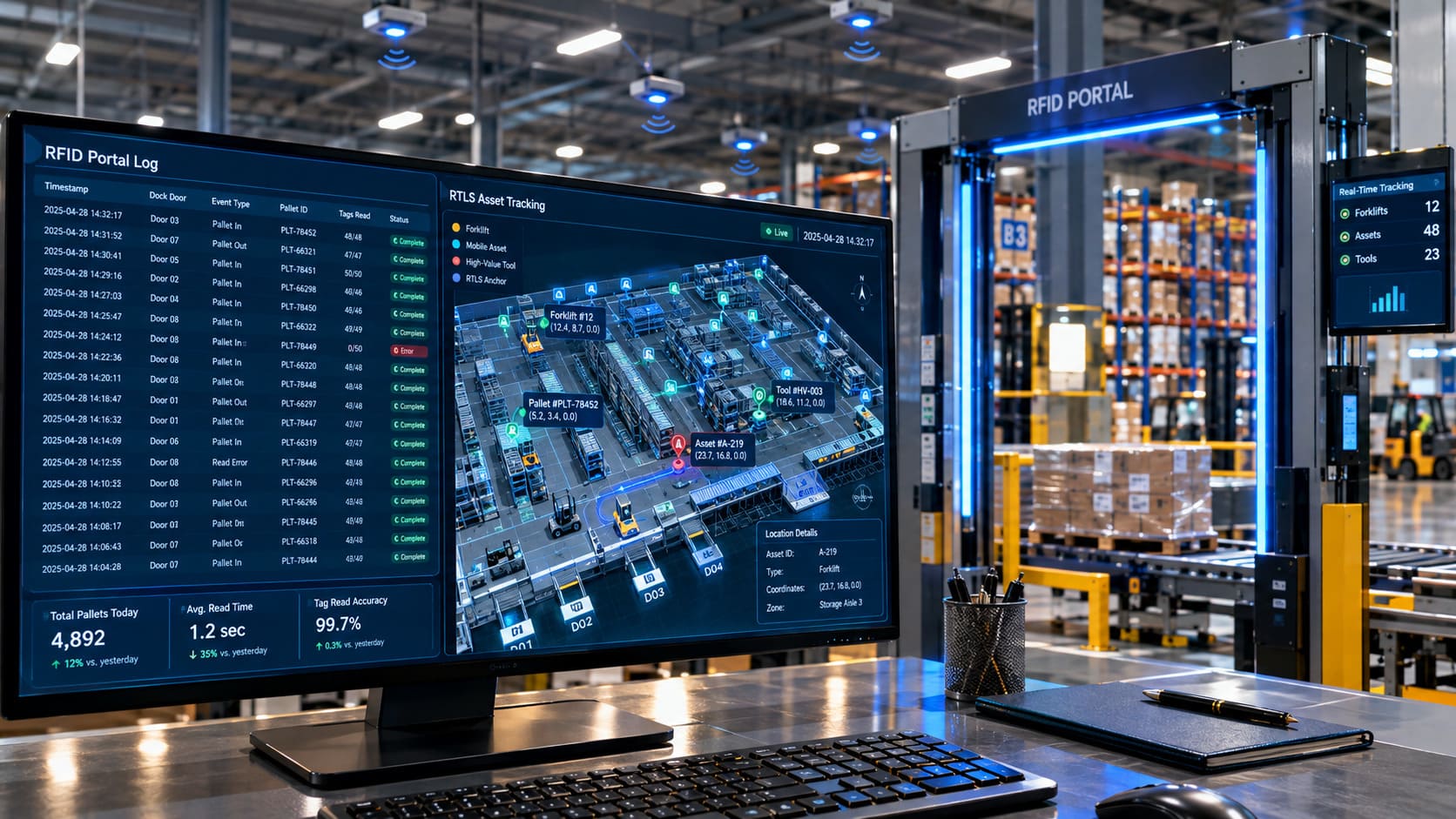
The RFID is not only automatic in the sense of taking the place of human operators, but it provides a continuous stream of visibility, rather than a series of individual events. The inventory status is updated as a pallet moves through the dock doors using an RFID portal, in real time at the rate of the forklift.
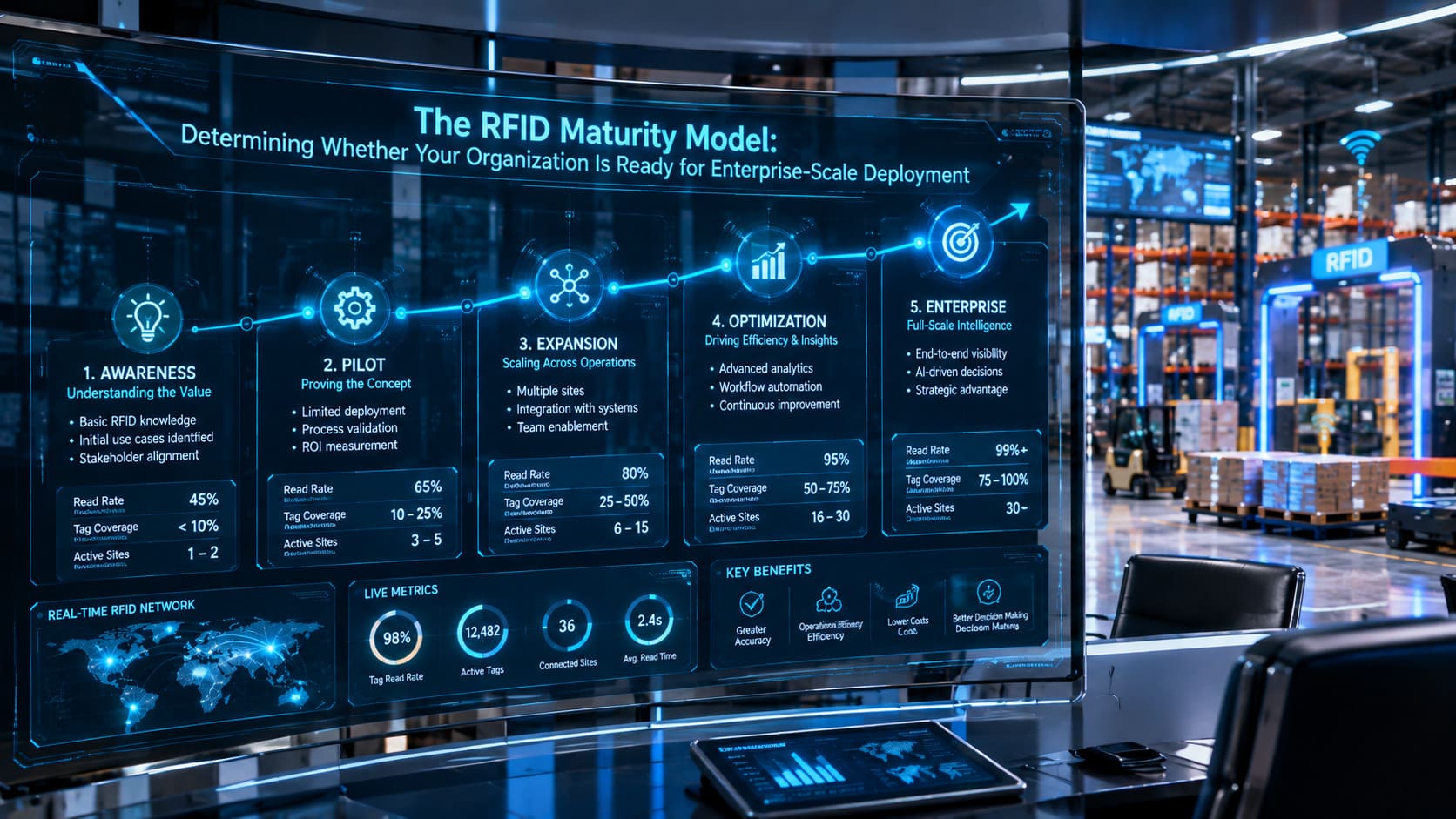
This bulk-read functionality makes it possible to eliminate the gap between the physical warehouse floor and the digital WMS, increasing inventory accuracy from around 65% to 95% or more.
Now, with automation handling tracking, companies can rest assured and show the correct stock information in real time, fulfill orders smoothly, and completely avoid the invisible inventory pitfall.
Conclusion
Manual barcoding puts precious stock out of sight and out of mind, and costs sales. Ultimately, businesses that upgrade to continuous RFID tracking will gain absolute accuracy, streamlined fulfillment, and can see and have access to every item, ready to sell.
FAQs
How much more accurate is RFID compared to manual barcode scanning?
Research in the industry suggests a typical manual barcode scanning environment will have an inventory accuracy of approximately 63% to 75%. Businesses that use automated RFID systems, on the other hand, can often achieve 95% to 99% accuracy without any human error or missed scans.
Do I have to replace my barcodes with RFID completely?
No. There are many businesses that have been successful with a combination of both. Barcodes are cost-effective for stable storage, basic compliance, and point-of-sale checkout. RFID is used where it offers the best ROI, in high-volume staging areas, shipping docks, and fast-moving inventory tracking.
Is the transition from barcodes to RFID expensive?
Unlike printed barcodes, RFID tags and hardware have a greater initial cost, but a significant return on investment over time. The transition yields benefits by capturing significant labor savings, increasing false stockout recovery, and avoiding the waste of over-purchasing safety
See how stores replace barcode counts: retail RFID inventory management.